| Reader situation | What the evidence points to | Planning use |
|---|---|---|
| Deciding when to start | Piano is often a child’s first instrument, and music has its strongest effect on young, receptive brains. | Start when the child can enjoy short, playful sessions rather than waiting for a perfect age. |
| Choosing a teacher | Local lesson facilities offer piano teachers, and later lessons may include performing. | Compare teachers on how they handle slow progress and gentle performance. |
| Setting up at home | Each new piece is studied and practiced over and over. | Give the child an instrument that is always ready to play. |
| Practice is stalling | Many children want to give up when progress feels slow. | Make small gains visible and keep sessions easy to finish. |
| Choosing songs and games | Lessons introduce composers such as Mozart and Beethoven. | Pair a graded songbook with simple note games. |
The starting-age, progress and performance points above come from Capstone Music’s guide to piano lesson benefits, a lesson provider in Burlington, Ontario.
Piano lessons for kids work best with a patient teacher, an instrument that is easy to reach and a routine the child can finish. Piano is often a child’s first instrument, and skill builds gradually.
Parents who want the wider picture of how learners progress can read how to learn piano fast alongside this list. The sections below are grouped by the situation a parent is usually in.
If you are deciding when to start
Starting age and readiness
A child can start piano early, and there is no single cut-off in the research this guide draws on. Capstone Music notes that piano is often the first instrument a child meets and that music has its strongest effect on children because their brains are so receptive at a young age.
That supports starting sooner rather than later, but it does not make readiness automatic. A very young beginner suits short, playful sessions: pressing keys, copying sounds and naming a few notes. Older beginners can handle more reading and longer focus.
The practical test is not the birthday. Ask whether the child can sit at the keyboard happily for a short session and follow one simple instruction at a time. If the answer is yes, a trial lesson is a sensible next step. If the child resists, wait a little and keep music around the house in the meantime.
Why parents choose piano first
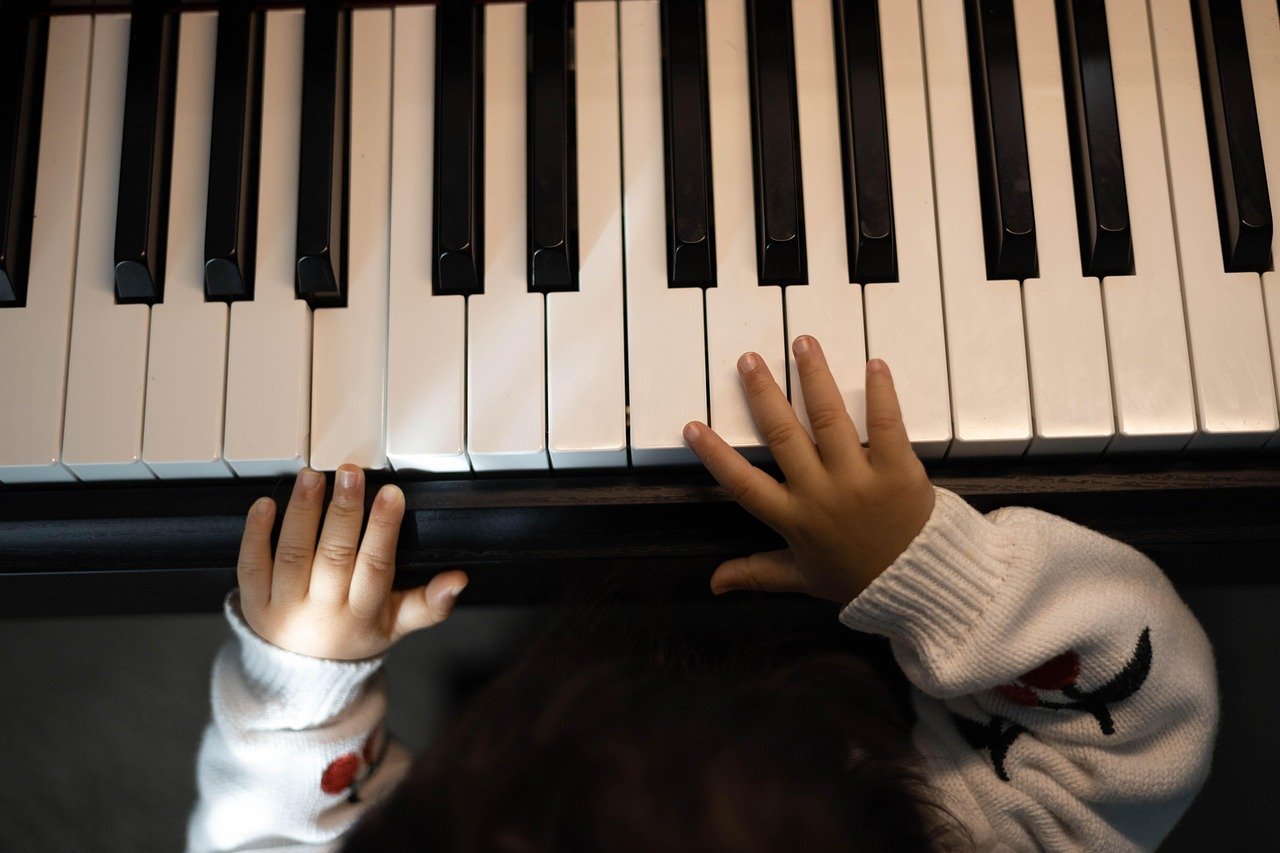
Piano suits a first lesson because every key is laid out in view, and the child can see the pattern that the teacher describes. Lessons also teach children to follow a sequence of directions and review written materials, according to Capstone Music. That makes the instrument a useful starting point even for a child who later switches to something else.
If you are choosing a teacher and instrument
Finding a piano teacher for a child
Start with local lesson facilities and private teachers in your area. Capstone Music, for example, offers piano lessons from teachers in Burlington, Ontario. Whatever the setting, the aim is the same: find someone who teaches children, not just someone who plays well.
A good fit shows in a trial lesson. Watch for these signs:
- Pace that suits the child. The teacher adjusts when the child tires or loses focus, instead of pushing through.
- Clear, one-step instructions. Piano study involves following a sequence of directions, so a teacher who gives them in small pieces helps a beginner.
- Honest talk about slow progress. Piano is a skill gained over time, and a teacher who says so openly helps keep expectations realistic.
- A gentle plan for performing. Children may later be asked to perform in front of audiences, so ask how the teacher prepares nervous beginners.
Some children learn without sight or with limited sight. Teachers then need different ways of introducing notes and layout, and the guide on blind piano players shows how learning can work without reading the printed page.
Do kids need a real piano to learn?
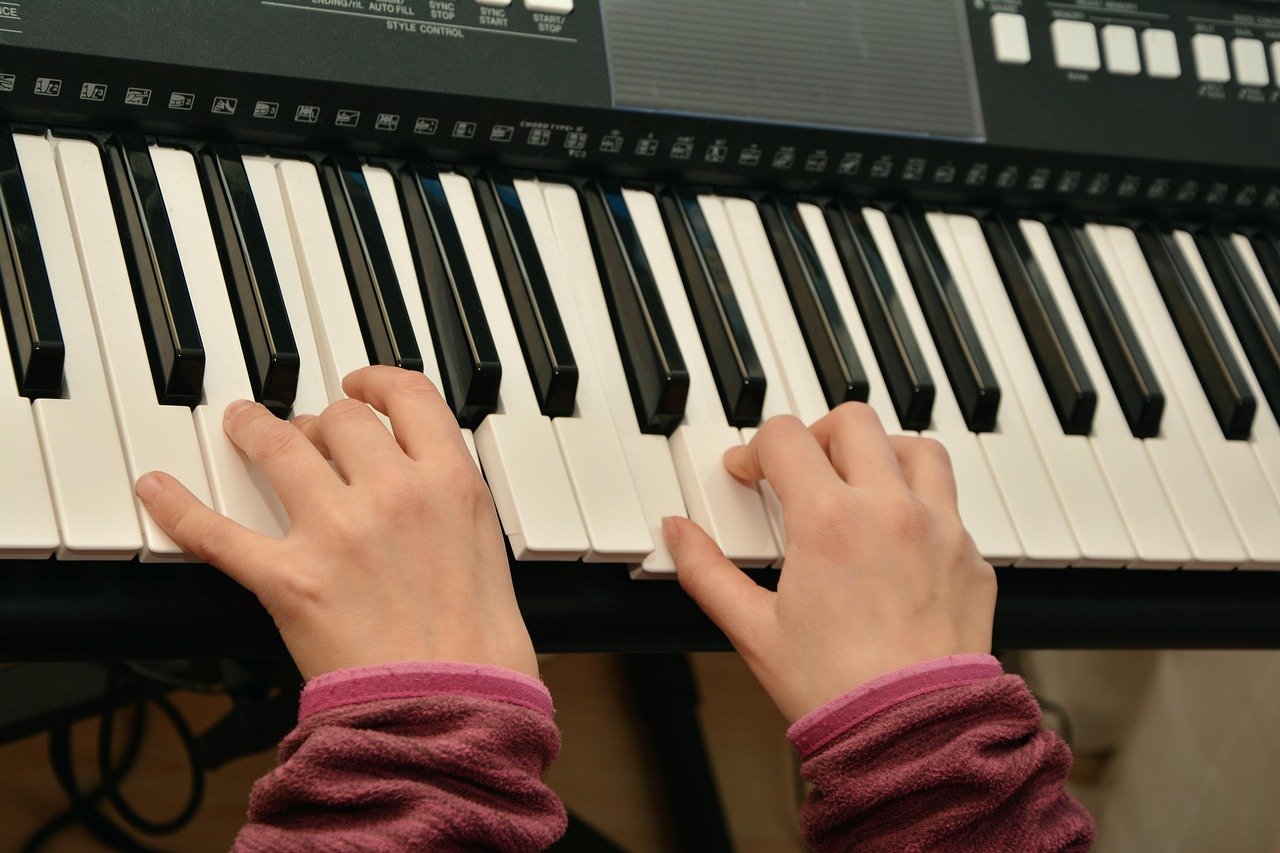
A beginner needs an instrument that is available every day more than one that is impressive. A keyboard or digital piano lets a child press keys and hear notes at home, which is what early practice requires. Many families start this way and review the choice after a few months, once the child’s interest is clear.
Ask the teacher what they expect the instrument to do. They can tell you whether the child’s current keyboard is enough for the pieces they will assign. A child who loses interest will not be helped by a more expensive instrument, so match the purchase to how settled the habit is.
If practice is becoming a struggle
Building a practice schedule
A practice schedule works when it is short, regular and attached to an existing routine, such as after a snack or before screen time. The child should be able to finish a session successfully rather than stop when frustrated.
Capstone Music points out that each new piece of music must be studied, learnt and practiced over and over. Repetition is the work of piano, so the schedule should leave room for it. Ask the teacher what session length suits the child’s level. Treat any figure as a starting target, because attention changes with age and mood.
- Fix the time, not the length. A habit that happens at the same moment each day survives busy weeks better than a long session planned loosely.
- Repeat a small section. Looping a few bars gives the repetition a piece needs without making the whole session feel long.
- Keep the instrument ready. A keyboard that is set up and switched on removes the first obstacle.
Keeping a child motivated to practice
Motivation usually dips when progress feels slow. Capstone Music notes that many children might want to give up, especially if they do not see progress quickly, and that piano is a skill gained over time.
The remedy is to make progress visible. Track finished pieces on a chart, let the child replay a song from a month earlier, or ask them to teach a short tune to a relative. Praise effort and the specific thing that improved, such as a smoother passage, rather than only the result.
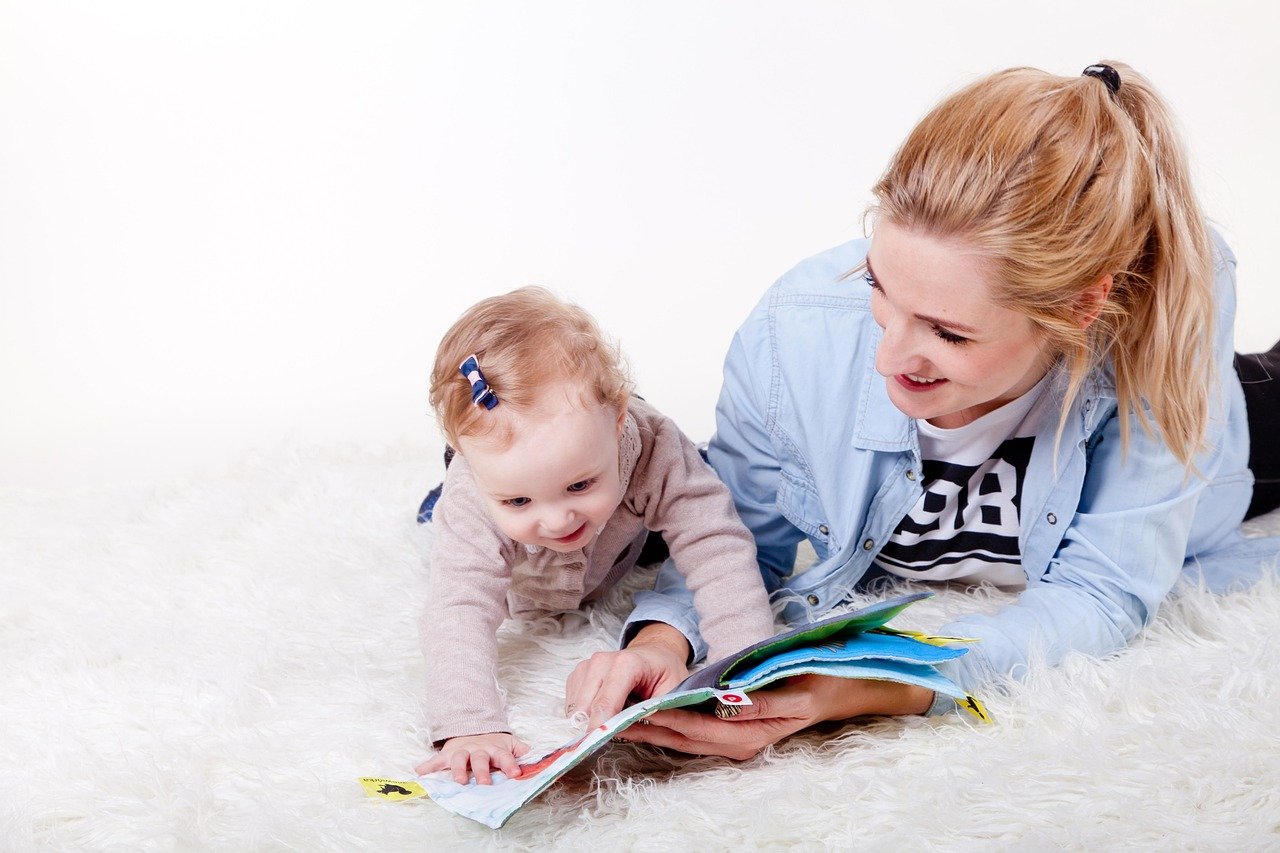
Parents do not need musical training to help. Sitting nearby, listening and asking the child to play something they like keeps practice from feeling like a solitary chore. Check in with the teacher if a slump lasts, since a simpler piece or a different pace often restores interest.
If you want songs and games
Easy piano songs and a beginner songbook
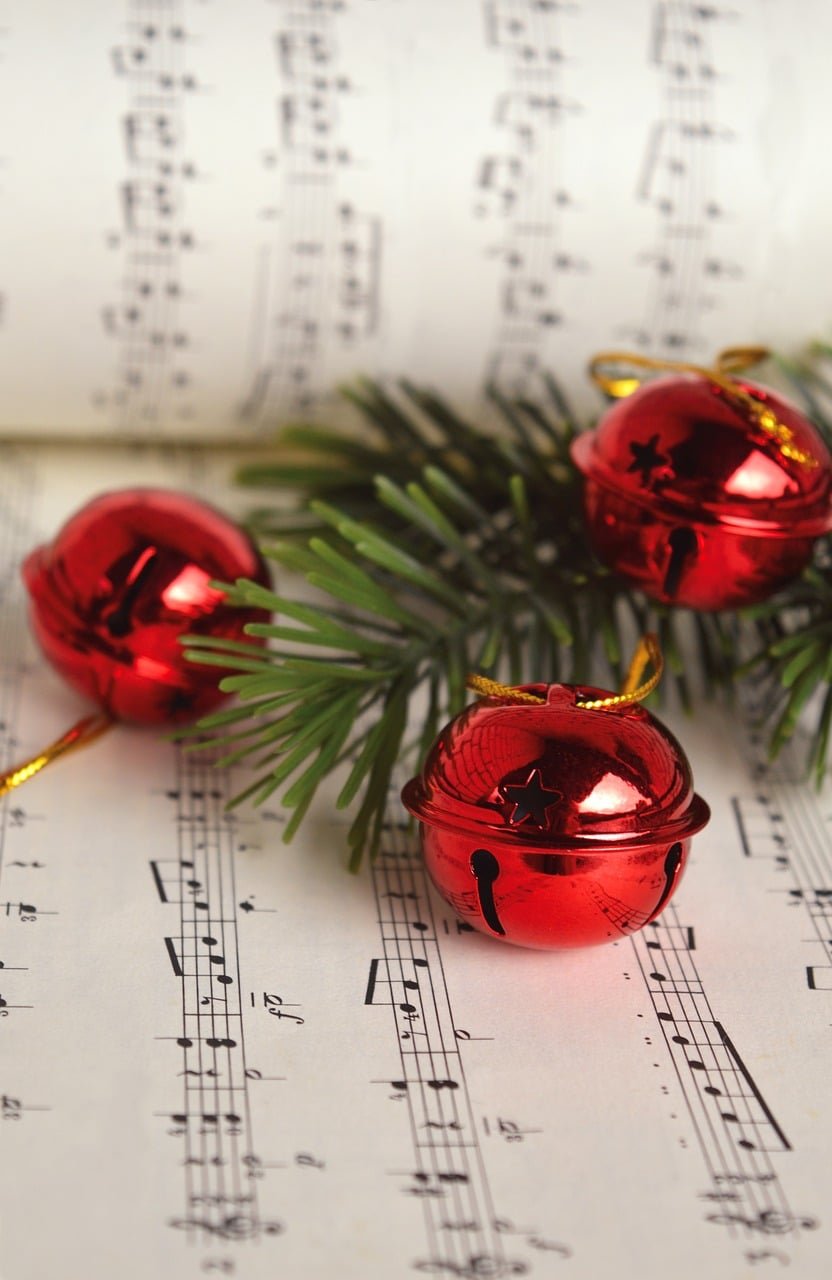
A beginner songbook gives practice a clear order and gives the child a finish line for each piece. Choose a book with familiar melodies and short pieces, and let the teacher confirm it matches the child’s reading level before you buy.

Lessons also expose children to composers such as Mozart and Beethoven, according to Capstone Music. Simplified versions of classical pieces can sit alongside songs the child already knows, so repertoire is not limited to one style.
When a child can play simple melodies, add the left hand. A short step into easy piano chords for beginners lets the child accompany a tune they already know, which feels like real music-making.
Piano games for kids
Games suit the early weeks, when reading notes is new and attention is short. They are not a replacement for lessons, but they add variety between practice sessions.
- Note-card matching. Place cards with note names or pictures on the keys and ask the child to find each one.
- Echo play. A parent or teacher plays a short pattern and the child copies it, which trains listening.
- Name the song. The child plays a few bars of a known tune and the family guesses it.
Rotate games so none becomes stale, and stop while the child is still enjoying it.
Frequently asked questions
| Question | Answer |
|---|---|
| Will piano lessons make my child smarter? | Capstone Music reports that studies have shown children’s IQs rose when learning a musical instrument. Treat this as a reported benefit rather than a guarantee, and choose lessons mainly for the child’s enjoyment. |
| Will my child have to perform? | Possibly. Children may later be asked to perform in front of audiences, and learning piano takes courage. Ask a prospective teacher how they introduce performing to beginners. |
| Should lessons be limited to children who seem talented? | No. Capstone Music states that most researchers agree music lessons should be taught to all children as part of their education. |