Blind piano players most often learn by ear first, adding braille music notation only where a translated score exists, because braille scores are scarce. Ear-led learning with recordings is the best-supported starting route.
This guide profiles well-known blind pianists and compares the learning methods behind them. Readers who want general practice habits can pair it with how to learn piano fast, and parents of young beginners can see piano lessons for kids.
How the choices are ordered
The pianists below are not ranked. Nothing in the available biographical material supports calling one of them the best, so they appear in an order that moves from the most documented profile to the most briefly attributed. The learning methods that follow are ordered as a selection, starting with the approach that has the strongest backing.
Three criteria shape the selection:
- Documented evidence: a profile or method earns space when a named source describes it, not because it is widely repeated.
- Availability: a method that depends on materials that are hard to obtain ranks lower as a starting point than one that needs only an instrument and a recording.
- Fit for a beginner: each item states who it suits and where it falls short, so a reader can match it to their own situation.
Famous blind pianists
Three names come up repeatedly when people search for blind piano players: Art Tatum, Ray Charles and Stevie Wonder. Their stories differ in how much can be said with confidence, and that difference is reflected in the depth of each profile.
Art Tatum
Art Tatum is the best-documented case. According to an Artlark biography, he was born on 13 October 1909 in Toledo, Ohio. The same account says he was born partially blind and that his sight deteriorated further throughout his life, so his story is one of partial vision that declined rather than total blindness from the start.
The most useful detail for learners is how he began. The biography states that by the age of three he had taught himself to play piano and could pick out several church hymns. That points to hearing and experiment as his entry point, not a printed score. Tatum suits readers who want proof that a child can build real keyboard skill by listening and trying things out at the keys.
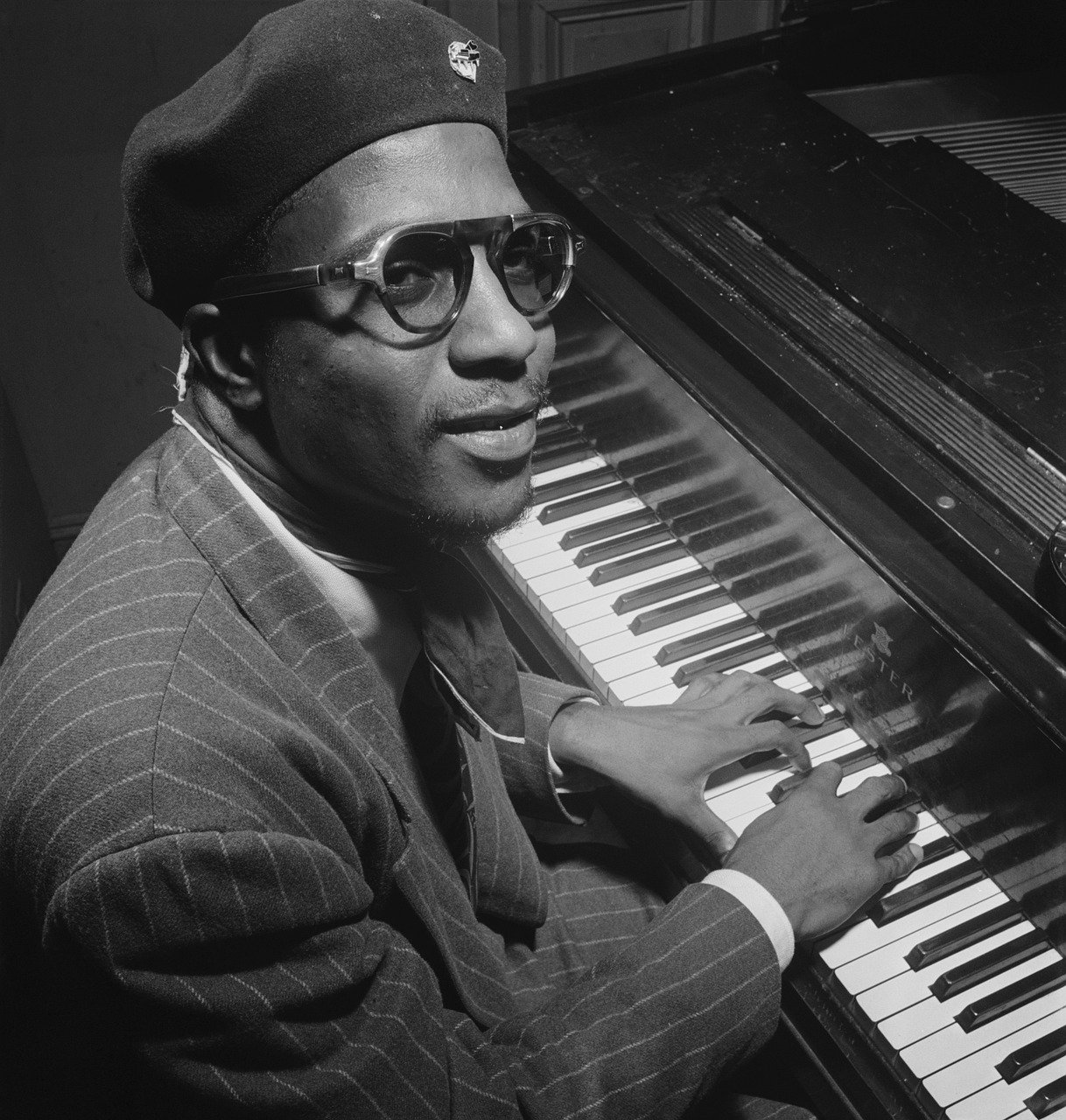
The limitation is that a single biography cannot show how replicable his route is. His path shows what is possible, not what a typical beginner should expect, so treat it as encouragement and not as a lesson plan.
Ray Charles
Ray Charles appears in a piano teacher’s article on blind musicians, which lists him with Stevie Wonder and Moondog among the names people tend to think of as geniuses. That attribution says how he is perceived, not how he learned. For anyone searching Ray Charles piano material, the safe takeaway is that he is a recognised example of a blind musician at the highest level.
He suits readers looking for a listening model. Recordings are the one resource that every blind learner can use regardless of whether braille scores exist, which makes his catalogue a practical study aid even though his own training route is not described here.
Stevie Wonder
Stevie Wonder is named in the same teacher’s article, in the same list of famous blind musicians. The supported point is again recognition, not method. He fits readers who want a contemporary-sounding example and who are comfortable treating the profile as inspiration while taking technique advice from the methods below.
How blind students learn piano
Blind students learn piano through a combination of hearing, touch and, where available, braille. No single method suits everyone, and the strongest results described in the material come from leaning on hearing.
Ear training
Ear training is the first-choice method. A piano teacher writing about blind students explains that in blind children the areas of the brain involved in sight are not being used, while others, including those used for hearing, become more important. That is a reason to build lessons around listening, since hearing is the channel carrying the most information.
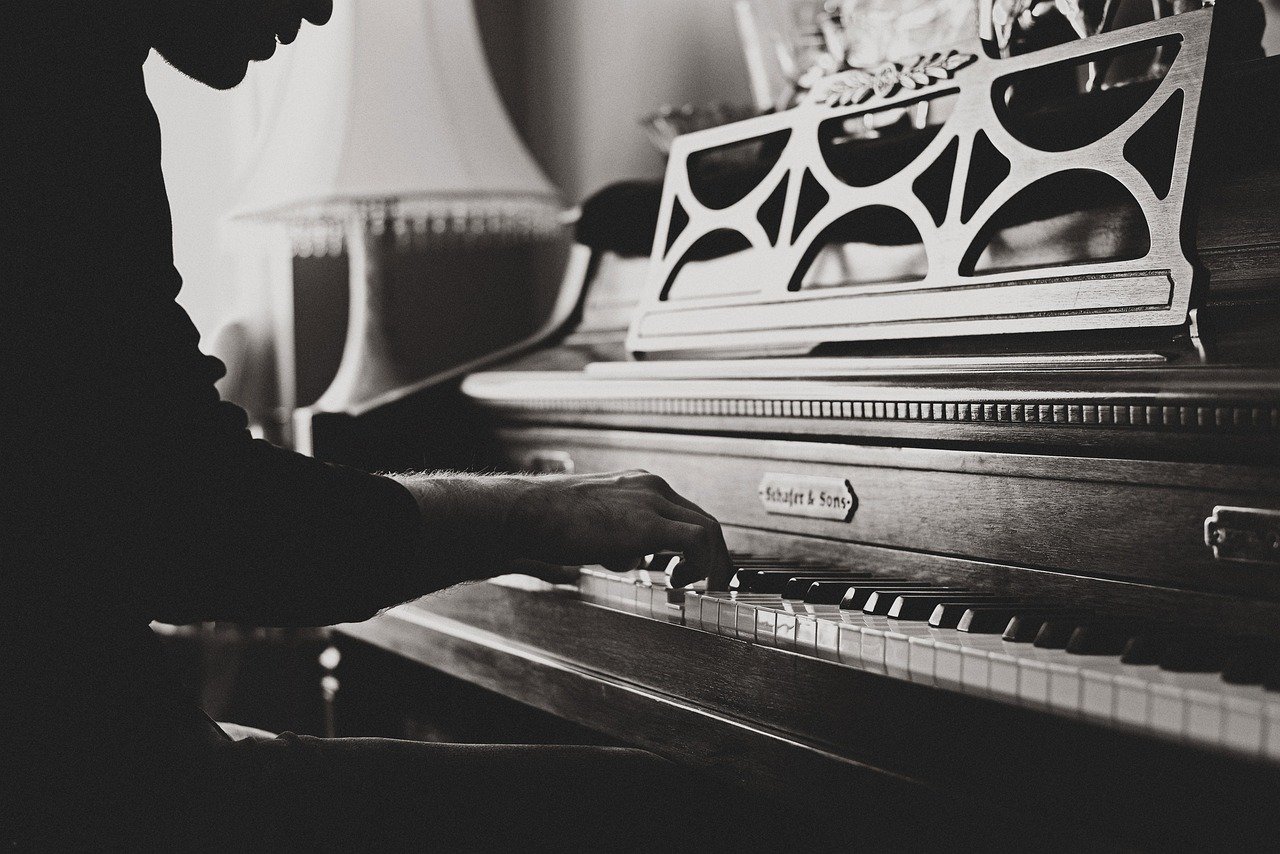
Ear training suits almost any beginner, because it needs only an instrument and recordings. Its limit is that it asks a lot of memory, so progress depends on how well pieces are broken into manageable parts.
Tactile learning
Tactile learning means finding the keyboard through touch: the groups of black keys, the distances between keys and the position of the hands. It runs alongside ear training and does not replace it. A student who knows where the hands sit can match what the ear hears to what the fingers do.
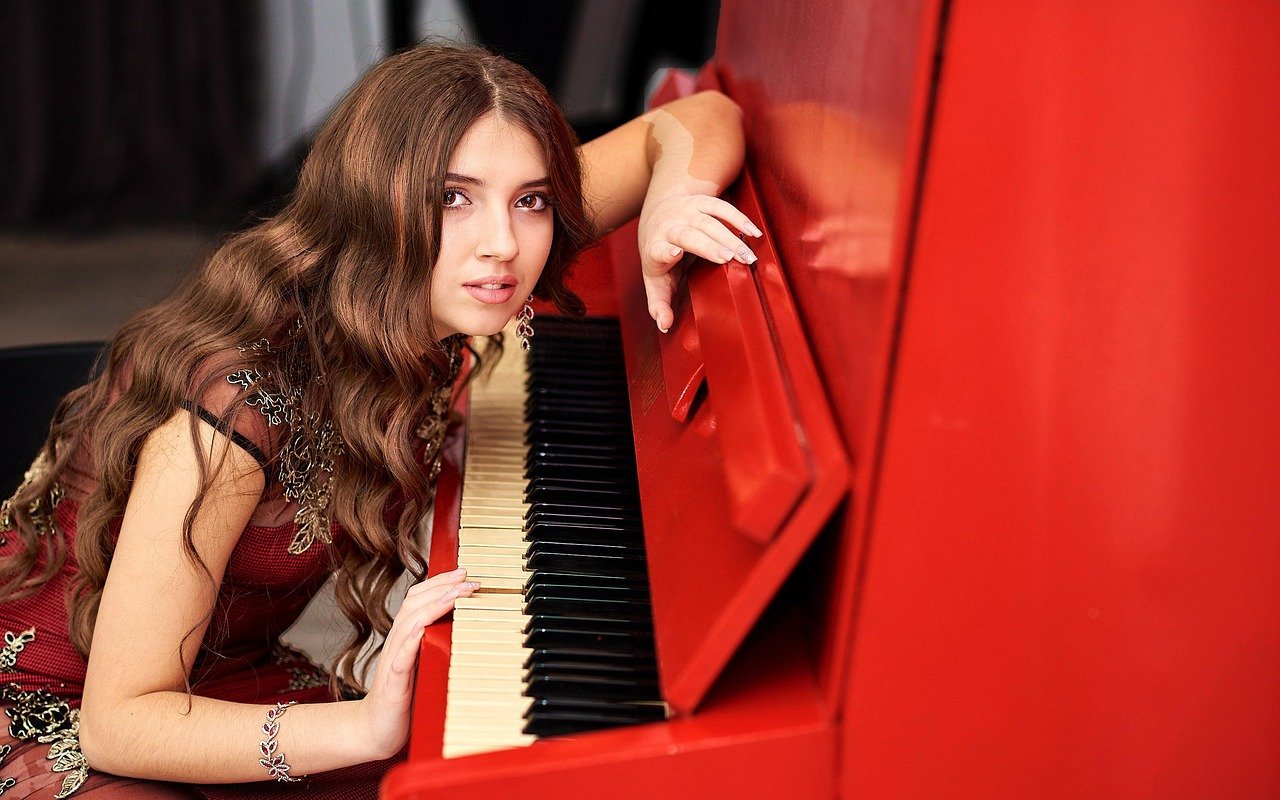
This approach suits students who are new to the instrument and need a physical map before any repertoire. It is a foundation, not a complete method, since it says nothing about how a piece is learned.
Braille music notation
Braille music notation is the tactile equivalent of printed notation, letting a student read a piece by touch. It matters for anyone who wants to read accurately and not rely on memory alone. Its weakness is supply: the same teacher’s article notes the scarcity of braille translations of musical scores.
Braille notation suits students who want independent access to written music and who can obtain the scores they need. Where a piece has not been translated, another method has to carry the learning.
Learning without sheet music
A blind student can learn without sheet music, and that is the usual route. The teacher’s article states that, given the scarcity of braille translations of musical scores, doing it by ear is usually the best method.
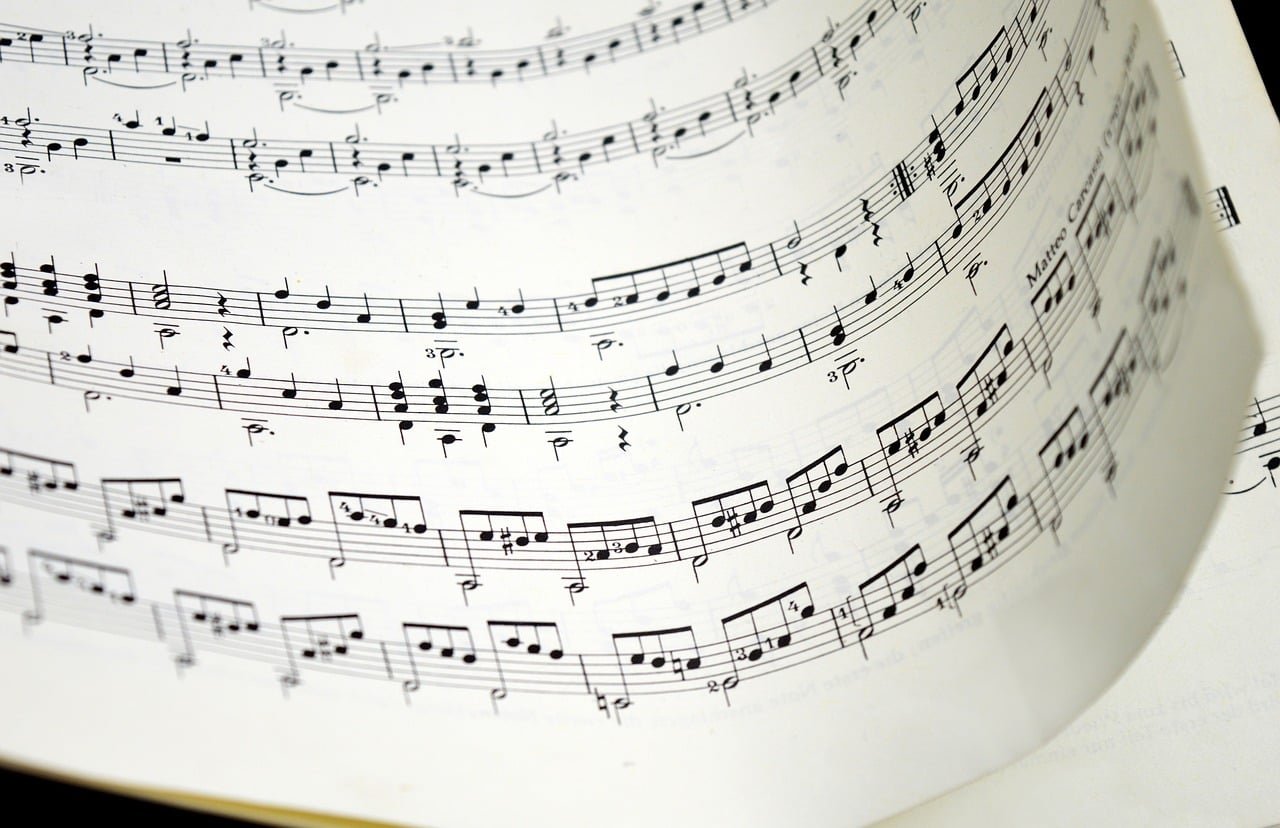
The same piano teacher describes a practical technique for a blind student: break the whole piano part down into recorded chunks, which he then learns bit by bit. The method works for readers who have a helper or a recording tool to record the sections. It is slower than reading a complete score, but it removes dependence on a translated edition.
The decision rule is simple. If a braille score exists for the piece and the student reads braille music, use it for accuracy. If it does not, record the piece in short sections and learn each by ear. Waiting for a translation only makes sense when the piece genuinely needs exact written detail.
Comparison of the approaches
| Option | What it is | Suits | Planning use |
|---|---|---|---|
| Art Tatum’s route | Self-taught playing by ear from early childhood, with partial sight that declined | Learners who want evidence that listening and experiment can build skill | Use as inspiration, not as a template |
| Ray Charles and Stevie Wonder | Recognised blind musicians named among well-known geniuses | Learners who want listening models | Study recordings; take method advice elsewhere |
| Ear training | Learning from sound, drawing on hearing areas of the brain that become more important | Nearly any beginner | Start here |
| Recorded chunks | A part divided into short recordings learned bit by bit | Students without a braille score | Use when no translation exists |
| Braille music notation | Music written for reading by touch | Students who want exact written detail | Add where scores can be found |
The profile and method details come from an Artlark biography of Art Tatum and a piano teacher’s article on blind musicians.
Frequently asked questions
Which musicians did Art Tatum inspire?
The Artlark biography names Charlie Parker, Oscar Peterson, Hank Jones and Kenny Barron among the jazz musicians he inspired. It adds that classical figures including Rubinstein, Paderewski, Gershwin and Horowitz admired him too.
Is Moondog another blind musician people mention?
Yes. The piano teacher’s article lists Moondog alongside Ray Charles and Stevie Wonder among the blind musicians commonly thought of as geniuses.
What does tactile learning add to ear training?
It gives the student a physical map of the keyboard, so the sounds heard can be matched to hand positions. Ear training supplies the music, and touch supplies the layout.