
A piano sits unplayed in a quiet room for months and still sounds off. So how often should you tune a piano?
Tuning is one part of piano care. Related questions, such as how much does a piano weigh before a move, are answered in the wider care guides.
Why a piano drifts out of pitch
Pitch drift has two drivers: the room and the player. Seasonal changes in temperature and humidity move pianos out of tune, and Volunteer Piano notes that this happens to all pianos, old and new. Humidity is the more hidden of the two. The guide to ideal humidity for piano covers how to manage the room.

Playing adds to the effect. Living Pianos explains that a piano goes out a little every time it is played, especially under a strong player. The result is that heavy use and a changing room both push the same strings away from their pitch.
Tuning myths and what the evidence supports
Most scheduling mistakes come from a handful of assumptions. The table sets each belief against the guidance and what to do about it.
| Common belief | What the guidance says | Planning use |
|---|---|---|
| An unplayed piano stays in tune | A piano goes out of tune whether or not it is played regularly | Keep an unused piano on the tuning calendar |
| A new piano holds its pitch | Seasonal temperature and humidity changes affect all pianos, old and new | Begin a regular schedule from the first year |
| Once a year is plenty | The Piano Technicians Guild suggests about four times a year, a minimum of twice; tuning only once a year means stability is lost over time | Treat once a year as too little for a piano in regular use |
| Delaying tuning saves money | Putting off tuning never saves money | Book the visit rather than waiting for the sound to deteriorate |
The figures come from Living Pianos and Volunteer Piano.
- The calendar is not the only trigger. Because play and weather both cause drift, a piano used hard can need a visit earlier than the date you set.
A tuning schedule by situation
The right interval depends on how the piano is used and what has happened to it. Use the situation that matches yours as a starting point and adjust with your technician.
New piano
A new instrument is not exempt from drift, because seasonal changes affect pianos of any age. Start on the regular pattern of about four visits a year rather than assuming a new piano will hold its pitch until something sounds wrong.
Regularly played home piano
Volunteer Piano suggests tuning at least every 6 months to 1 year, depending on how often the piano is played. Treat that as the lowest end of the range, and move toward the Guild’s about four times a year if the piano is played most days or sits in a room with big seasonal swings.
Heavily played piano
For a piano that is played hard every day, Living Pianos says monthly tunings can be worth considering. This suits teaching studios and serious practisers, not occasional players.
Neglected piano
A piano that has gone untuned for a long stretch needs a technician’s assessment before it returns to a normal schedule. Rely on the visit to establish its condition, then settle on the regular pattern.
Recently moved piano
Moving a piano changes its surroundings, and temperature and humidity are what push pianos out of tune. Bring the next tuning forward after a move and ask the technician to check the pitch in the new room. This is a judgement based on the drift evidence rather than a fixed waiting period.
Can you tune a piano yourself?
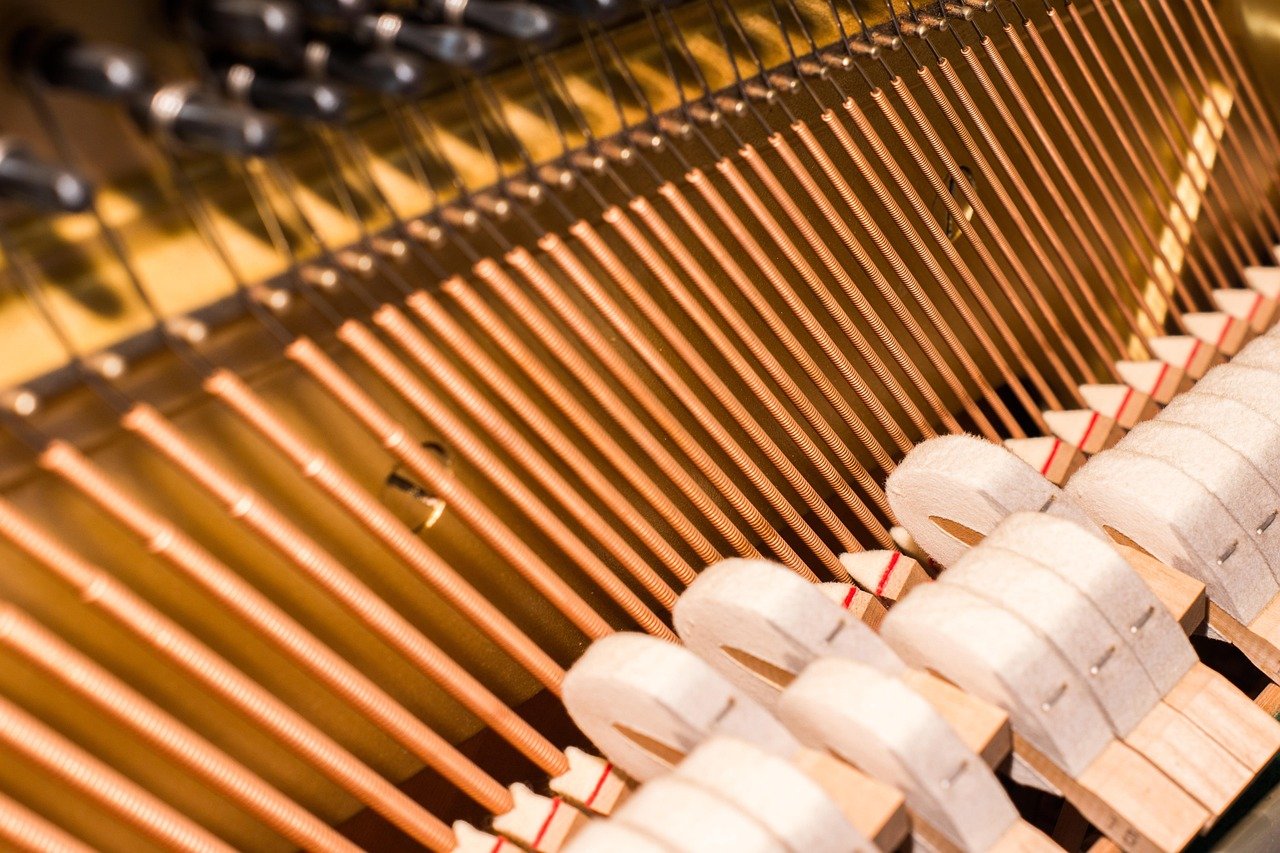
It is better to leave tuning to a technician. A full tuning means adjusting over 200 strings, which are set through the tuning pins, and a regular schedule means repeating that job several times a year.
A technician also does more than set pitch. As Volunteer Piano puts it, the technician can keep an eye on the thousands of intricate parts and spot small problems before they become major damage. A DIY tune gives you neither the scale of trained work nor that inspection, so it is a poor trade for an instrument you want to keep.
Choosing a qualified piano tuner
Pick a piano tuner who will come back on a regular schedule, because the guidance involves several visits a year. Credentials and the quality of the visit matter more than convenience alone.
- Ask about credentials. Check which qualifications the technician holds and whether they belong to a professional body such as the Piano Technicians Guild, whose recommendations on frequency are quoted above.
- Ask what the visit includes. A good technician looks over the instrument as well as adjusting pitch, since regular visits are how small problems are found early.
- Ask for a schedule. A tuner should be able to say how often your piano needs attention given your playing and your room, and that answer should sit within the guidance above.
- Plan for repeat visits. Someone who works in your area and can return when drift or a move calls for it is more useful than a one-off booking.
Tuning is separate from cosmetic upkeep; the guide on how to clean piano covers the surfaces and keys.
What happens when a piano goes untuned for years
Neglect turns a simple adjustment into repair work. Volunteer Piano warns that bypassing regular tunings can cause strings to pop and the soundboard to break, and a badly drifted piano may need pitch raises before it can be tuned properly.
The practical lesson is to treat tuning as maintenance, not a fix for a piano that already sounds wrong. Regular visits keep the strings close to pitch, so the technician rarely meets the stage where damage starts.
Frequently asked questions
| Question | Answer |
|---|---|
| Should a piano be tuned before every practice session? | No. With over 200 strings to tune, tuning every session is not practical. A regular schedule of several visits a year is the realistic approach. |
| What else does a regular tuning visit achieve? | It lets the technician keep an eye on the thousands of intricate parts and catch small problems before they become major damage. |
| Does heavy playing change the schedule? | Yes. A piano goes out a little every time it is played, especially under a strong player, so heavy use can justify monthly tunings. |