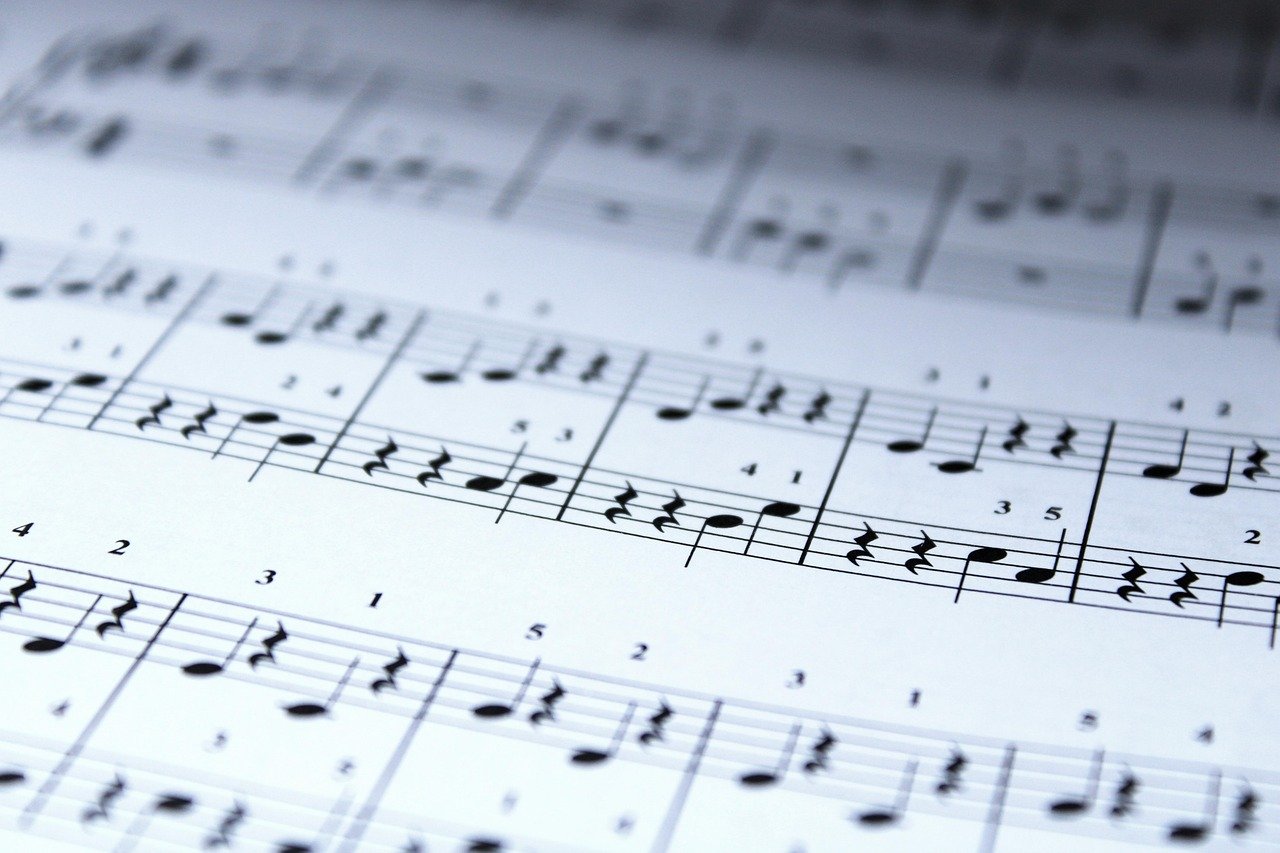
Quick answer: how to read piano sheet music comes down to a short order: learn the treble clef, learn the bass clef, use middle C as the link between them, then read a single hand at a time before combining both.
This reading path is one part of a wider plan for how to learn piano fast. Each step below ends with a short exercise on real keys, so the notation stays tied to what your fingers do.
Choosing your starting point
Where you begin depends on the music in front of you and what you already know. A complete beginner is best served by reading the treble clef alone until the line and space names are automatic. Adding the bass clef too early splits attention between two sets of note names.
- Treble clef only: suits a first piece with a melody in the right hand, because the treble clef is used for higher pitches and the right hand of the piano.
- Bass clef next: suits left-hand accompaniment, because the bass clef is used for lower pitches and the left hand of the piano.
- Key signature check: matters before you play anything with sharps or flats shown at the start of the line, since they apply throughout the piece.
- Both hands together: is the last stage. Wait until each clef can be read slowly without counting up the staff from the bottom line.
The staff and the two clefs
A staff consists of five lines and four spaces, and every note you read sits on a line or in a space. The clef at the left end tells you which pitches those lines and spaces represent. Reading piano music means learning two clefs, one for each hand, according to the New York Jazz Workshop notation guide.
Treble clef
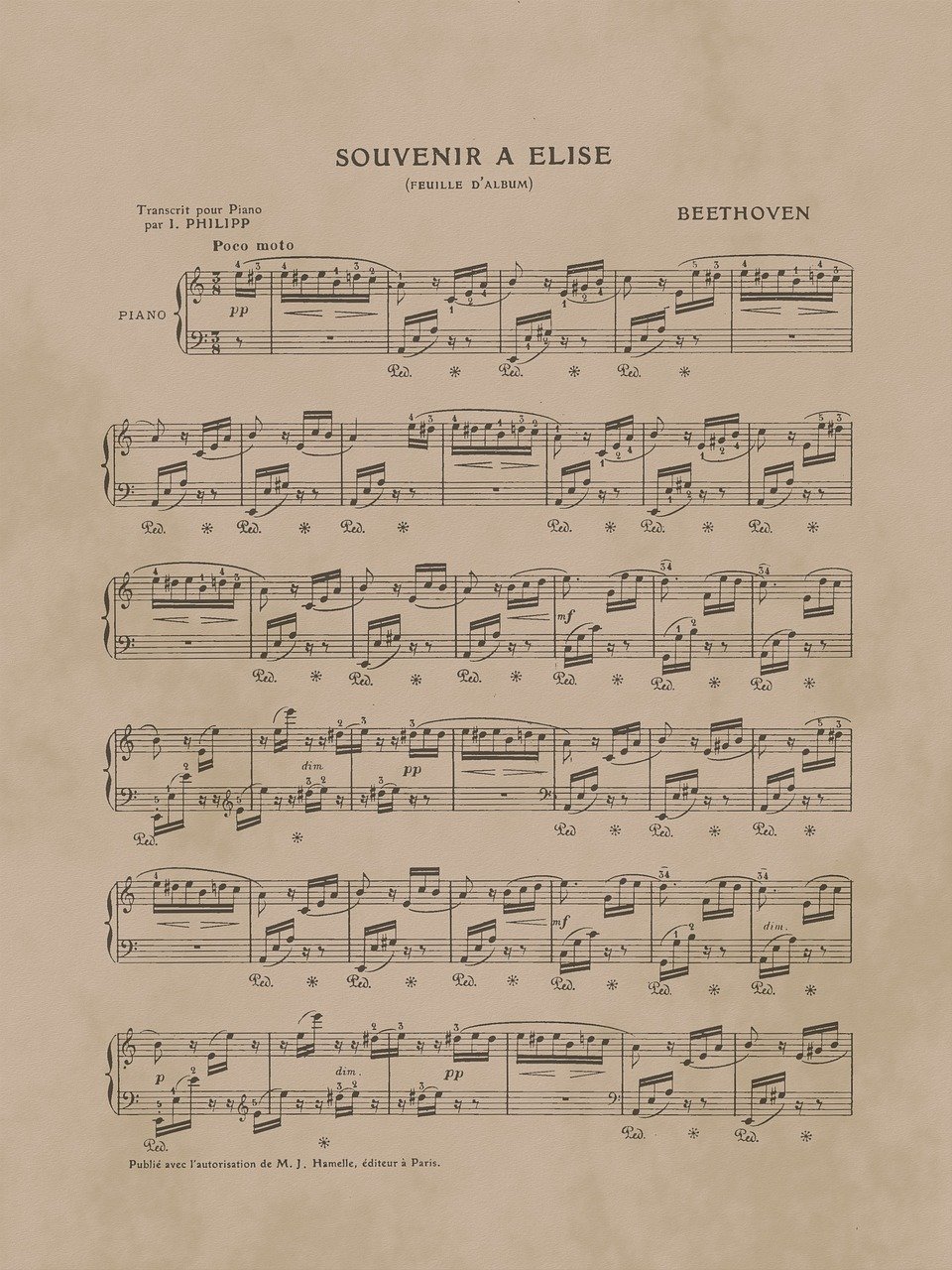
The treble clef is also called the G clef because it curls around the G line. Its lines are E, G, B, D, F, and the usual phrase to remember them is “Every Good Boy Does Fine”. Its spaces spell FACE: F, A, C, E. Read in order, the notes on the staff run E, F, G, A, B, C, D, E, F.
Bass clef
The bass clef is also called the F clef because its two dots mark the F line. Its lines are G, B, D, F, A (“Good Boys Do Fine Always”), and its spaces are A, C, E, G (“All Cows Eat Grass”). Taken in sequence, the staff notes form G, A, B, C, D, E, F, G, A.
| Clef | Line notes | Space notes | Piano hand | Planning use |
|---|---|---|---|---|
| Treble (G clef) | E, G, B, D, F | F, A, C, E | Right hand | Learn first for melodies and higher pitches. |
| Bass (F clef) | G, B, D, F, A | A, C, E, G | Left hand | Add once treble names are quick; the same letters sit on different lines. |
The note names, mnemonics and hand assignments above come from the New York Jazz Workshop notation guide.
Exercise: treble notes on the keys
Play the treble line notes E, G, B, D, F in turn with your right hand, saying each name as you press. Then play the space notes F, A, C, E. Use the same keys each time so the written position and the physical key become one memory.
The grand staff and middle C
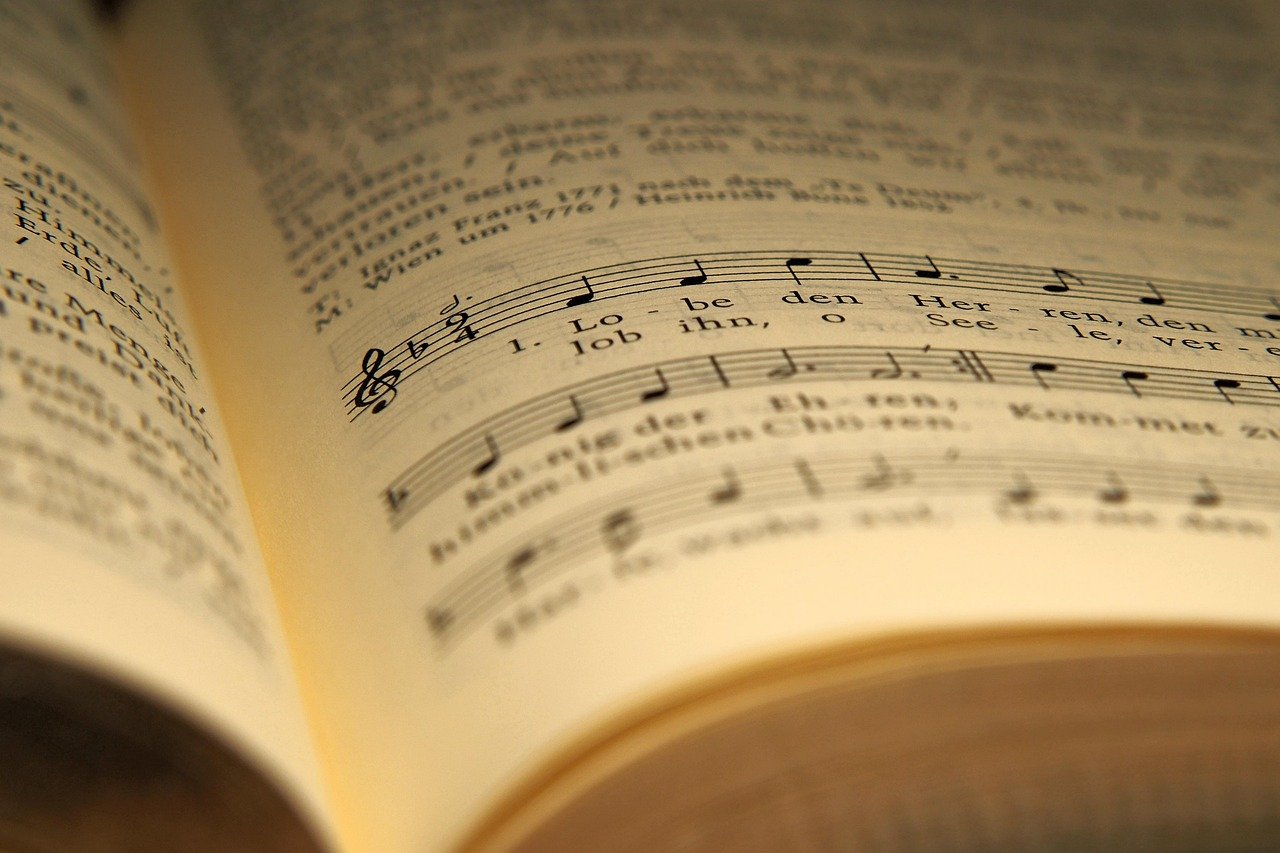
The grand staff is the treble and bass staves joined by a brace, with the treble staff above the bass staff. Piano music uses it so that both hands are written on a single system. Middle C is the note that connects the two halves.
Finding middle C on the page
Middle C sits on a ledger line below the treble clef staff. It also sits on a ledger line above the bass clef staff. A ledger line is a short extra line drawn through a note head when the pitch falls outside the five lines. Because it is the same pitch on both staves, middle C is the note to check first when your eyes jump between hands.
Finding middle C on the keyboard
Middle C is the C closest to the middle of a piano keyboard. For the full layout of black-key groups and how to recognise each C, see piano keys and notes.
Try this: find middle C on the page in the treble staff, play it with your right thumb, then find it in the bass staff and play the same key with your left thumb. Hearing that the pitch is identical removes much of the confusion about ledger lines.
Reading both hands at once
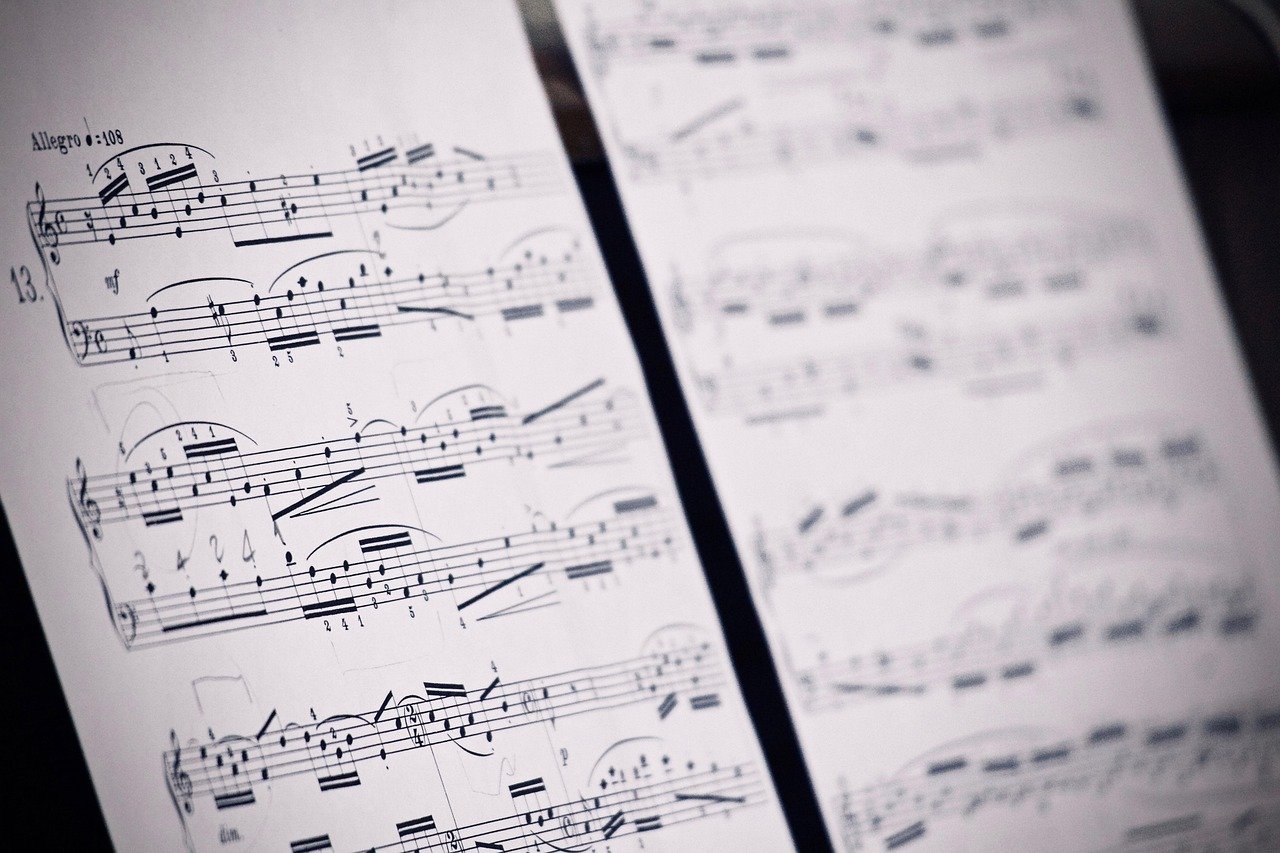
Reading both hands is a matter of sequencing, not speed. The right hand reads the treble staff and the left hand reads the bass staff, and the two are lined up vertically so notes that sound together are stacked on the page. Start by reading the bass clef line alone, then the treble line alone, and only then combine them.
- Read the clef first. Check which clef begins each staff before you look at any note.
- Play a single hand slowly. Say each note name aloud as you play it.
- Switch hands. Do the same for the other staff, using middle C as a landmark if the line wanders near the centre of the page.
- Combine a short phrase. Play only a brief stretch with both hands, and repeat it slowly until the vertical alignment feels natural.
Once single notes feel steady, easy piano chords for beginners are a natural next step for the left hand.
Key signatures: what the sharps and flats mean
A key signature sits after the clef and tells you which notes are sharp or flat throughout the piece, which means you do not see the accidental repeated on every note. Checking it before you play prevents the most common wrong-note surprise in early pieces.
- G major: one sharp, F sharp.
- D major: two sharps, F sharp and C sharp.
- F major: one flat, B flat.
Moving clockwise on the circle of fifths adds sharps (or removes flats), and moving counterclockwise adds flats. Each major key also shares all its notes with a relative minor key, so G major pairs with E minor, D major with B minor and F major with D minor, as the New York Jazz Workshop guide sets out. Treat the key signature as an instruction to apply to every matching note on both staves.
Adding rhythm to the notes
Pitch tells you which key to press, and the shape of each note tells you how long to hold it. Whole, half, quarter and eighth notes look different because their heads, stems and flags change as the duration changes. Your method book or teacher will give the counting for each.
The practical order is simple. Tap a phrase’s rhythm on a single key first, with no pitch to think about. Then play the notes at the same steady pace. If the rhythm falls apart when the pitches arrive, go back to tapping rather than speeding up.
Memorizing note names
Memorizing piano notes works best when it uses the structure of the staff rather than brute repetition. The line and space phrases above give a reliable backup, but the aim is to see a note and name it without reciting the phrase.
- Flash cards: draw a note on a staff on one side and write the name on the back, then flip through them at the keyboard and play each answer.
- Landmark notes: use middle C, and the G and F that the two clefs curl around or dot, as anchors, and read nearby notes as steps away from them.
- One clef at a time: drill treble until it is quick, then drill bass separately, so the same letters on different lines do not blur together.
Troubleshooting common reading problems
- Bass notes come out as treble notes: the lines and spaces carry different names in each clef. Check the clef symbol at the start of every system before reading.
- Ledger line notes feel impossible: anchor them to middle C and count outward in letter order, rather than counting lines from the staff.
- Sharps and flats keep getting missed: read the key signature aloud before playing, naming each affected note.
- Both hands together stall the music: return to a single hand, then combine a very short phrase and slow the pace.
- Rhythm drifts when the notes get harder: tap the rhythm on one key until it holds, then reintroduce the pitches.
Frequently asked questions
Why is the treble clef called the G clef?
It curls around the G line of the staff, which marks where G sits. The bass clef is called the F clef for a similar reason: its two dots mark the F line.
What is a ledger line?
A ledger line is a short extra line used for notes that fall above or below the five-line staff. Middle C is the most common example, sitting on a ledger line below the treble staff and above the bass staff.
Do I need to learn both clefs before playing a piece?
Not for a first piece written for a single hand. Start with the clef for that hand, and add the other once the first is quick. Pieces written for both hands need both clefs.
How do a major key and its relative minor relate?
They share all the same notes, so they use the same key signature. G major and E minor, for example, both have one sharp, F sharp.