Dust, fingerprints and a forgotten drink all end up on a piano, and how to clean piano keys, the case and the inside without damage depends on the surface. Start dry and gentle, and leave the interior to a technician.
Quick answer: wipe keys and the case with a soft, clean, dry cloth first. Use a barely damp cloth only if marks remain, never let liquid run between keys, and treat the strings, hammers and soundboard area as technician work. On a digital piano, keep moisture away from electronics.
This guide climbs the ladder from the lightest intervention to the point where stopping is the right call. The Recording Gear & Piano Care hub collects related upkeep topics, including questions such as how much does a piano weigh before a move.
Supplies and the first dry pass
The lightest intervention is also the safest: remove loose dust before any moisture comes near the instrument. Dust left on keys and the case turns into grime once it meets skin oils and humidity, so a regular dry pass prevents most of the work later.
A short kit is enough:
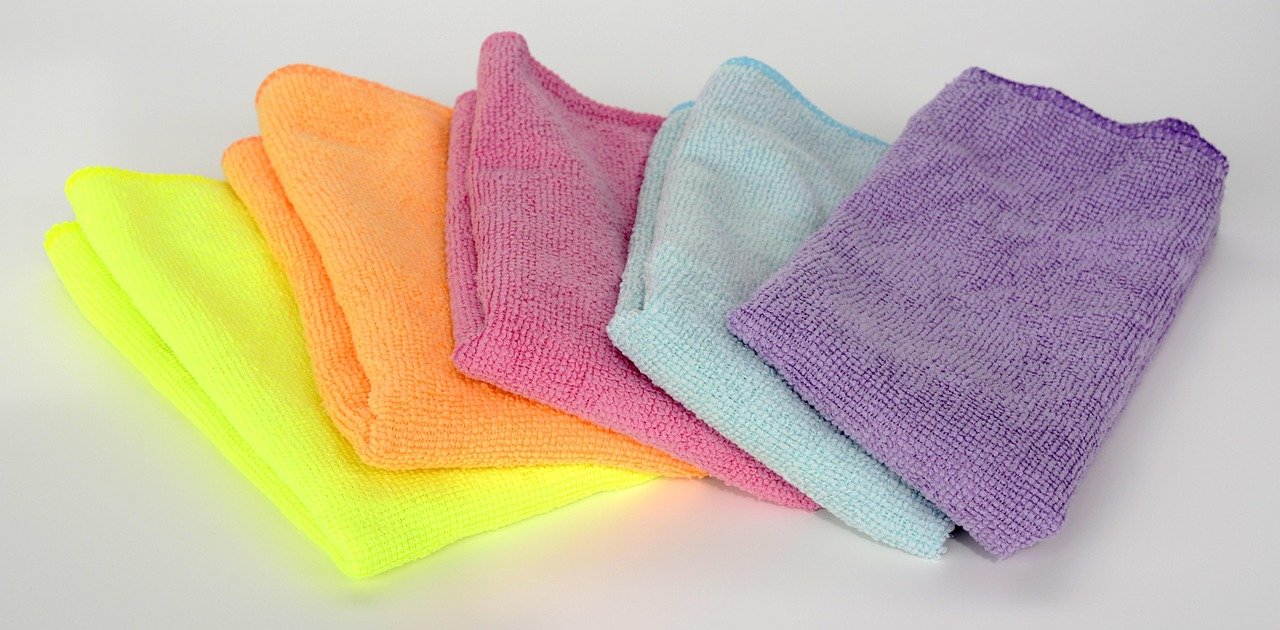
- Soft microfiber or similar lint-free cloths: keep one reserved for keys and another for the case, so grit from the cabinet never travels to the keyboard.
- A soft brush: it lifts dust from the edges of the keys and the narrow gaps around the keybed without pushing it deeper.
- A small bowl of water and a second, well-wrung cloth: this is for stubborn marks only, and it should feel barely damp.
Cleaning the piano keys
Piano keys collect skin oil and dirt, and if left uncleaned they turn yellowish or brownish, according to Creative Soul Music’s piano care guide. The same guide warns that food debris left among the keys causes smell, bacteria and dirt, so a clean keyboard is a hygiene matter as well as a cosmetic one.
- Close the lid or fall board only after the keys are fully dry, and begin with the keys exposed and the area clear of drinks.
- Brush along the key edges with the soft brush, moving dust away from the gaps rather than into them.
- Wipe each key front to back with the dry cloth, in the direction the key moves, so nothing is pushed between the keys.
- If a mark remains, wring the damp cloth until it is barely moist, wipe the single key, and dry it straight away with the dry cloth.
- Stop when the marks lift. Pressing harder or adding liquid is the wrong escalation.
Ivory key tops
Ivory key tops are a natural material that, according to the same guide, turns yellowish and brownish over time. That makes yellowing on an older ivory keyboard a poor guide to how dirty it is. Scrubbing harder or adding liquid to chase a colour change is a bad trade, because moisture is the main risk. If the colour bothers you, ask a technician about options rather than experimenting.
Plastic key tops
Plastic key tops are made from materials such as crude oil, salt, cellulose, coal and natural gas, per the same source. They are generally the easier surface to wipe clean, because the dry-then-barely-damp routine above is all they need. The practical rule is the same for both materials: a dry cloth first, minimal moisture second, and nothing stronger than that.

Cleaning the piano case
The case is where polish, fingerprints and dust gather, and it tolerates more wiping than the keys. Use the case cloth, dry, in long strokes along the surface, lifting dust rather than rubbing it in. If a fingerprint stays, a barely damp cloth followed by a dry one is the next step.
Avoid spraying anything directly onto the piano. A spray lands where you cannot control it, and liquid that runs into seams reaches the keys and the action beneath. Items on the lid cause trouble too, and the guide above advises against placing books or vases on top of the instrument.

Cleaning a digital piano
A digital piano needs the same gentle approach with a stricter moisture rule, because electronics sit directly beneath the keys. Creative Soul Music notes that spilled water on an electric piano can cause an electric shock, so power comes first in every step.
- Switch the instrument off and unplug it from the wall before touching the keys.
- Dust the keys and body with a dry soft cloth and the brush.
- For marks, use a cloth wrung out until it is only slightly damp, wiping one key at a time.
- Dry each key immediately and let everything air before reconnecting power.
The owner’s manual for your model is the best authority on which cleaners the finish tolerates, so check it before trying anything beyond a cloth. Pre-moistened wipes are best avoided on keys of any kind. They deliver an uncontrolled amount of liquid, whereas a wrung-out cloth lets you decide exactly how much moisture touches the key. If children use the instrument, the guide also notes that keyboard locks are effective at stopping them opening digital or organ keyboards.
Dusting inside a piano
Dust inside a piano is the point where do-it-yourself cleaning should become cautious. The interior holds the strings, hammers and the wooden soundboard, and the guide notes that humidity affects wood and felt, which shows how sensitive these parts are to anything damp.
If the lid lifts easily and you only want to remove visible surface dust, keep to the dry end of the ladder. Use a soft dry brush or cloth on exposed, sturdy surfaces, and keep any vacuum nozzle from touching strings, hammers or felt. Do not spray, wipe with liquid or reach into the action. If dust has built up deep inside, or you cannot reach it without touching working parts, stop there.
When to stop and call a technician
Call a piano technician when the problem sits below the keys or inside the instrument. Cleaning that needs tools, removal of parts or contact with strings, hammers and the soundboard belongs to a professional, since the gain from DIY is small and the risk of damage is real.
- Debris between or under the keys: food crumbs that cannot be brushed out cause smell, bacteria and dirt, per the guide, and removing them properly means access to the keybed.
- Heavy interior dust or dropped objects: anything beyond light surface dust inside the case should be handled by someone who can open the instrument safely.
- Liquid that got inside: on an acoustic piano, a spill that reaches the keys or interior needs a professional look rather than drying with a cloth. On a digital piano, unplug it and do not power it on again until the manual or a service centre confirms it is safe.
- Discoloured ivory you want restored: a technician can advise on options, which a cleaning cloth cannot deliver.
- Tuning that has drifted: the guide explains that strings loosen in hot weather and contract in cold, changing the tune, and a cleaning visit is a sensible moment to review how often should you tune a piano.
Habits that keep a piano clean
Most cleaning problems come from what sits on and around the instrument. Keep drinks away from the keyboard, and keep books and vases off the lid, as the guide advises. Close the fall board after playing to keep dust off the keys, and clean hands before playing reduce the oil that dulls them.
The guide gives about 50 years as the life span of a properly cared-for piano, which is a reason to treat gentle, regular care as a better investment than occasional heavy cleaning. A consistent room matters as much as the cloth, since wood and felt respond to humidity and strings respond to temperature.
Frequently asked questions
Can you use wipes on piano keys?
Avoid them. Wipes release an uncontrolled amount of liquid onto the keys, and moisture is the main risk for both acoustic and digital pianos. A soft dry cloth, followed by a barely damp one for stubborn marks, gives better control.
What humidity suits a piano?
Creative Soul Music recommends keeping humidity consistent at around 30% to 60%, because humidity affects wood and felt in the instrument.
How long does a well-kept piano last?
The same guide, citing Miller Pianos Specialists, puts the life span of a properly cared-for piano at about 50 years.
How can children be kept from opening a digital keyboard?
A keyboard lock is the supported answer. The guide describes locks as effective at stopping children from opening digital or organ keyboards.