| Model | Format | List price (Oct 2024) | Standout detail | Planning use |
|---|---|---|---|---|
| Yamaha P-45 | P-series | $550 | Described as about the lowest price worth considering | Tightest budget that still gets weighted keys |
| Yamaha P-125 | P-series | $699 | Recommended for beginners | Default starter pick inside the entry-level range |
| Yamaha P-515 | P-series | $1,499 | Wooden keys with synthetic ivory keytops | Players who prioritise touch |
| Yamaha YDP-145 | Console | Check a current retailer listing | GHS keys, 353 built-in songs, VRM Lite | Learners who want a console instrument |
Prices come from Keymaster Piano’s weighted-key roundup, and YDP-145 details from Poppler’s Music’s YDP-145 page.
The best Yamaha digital piano depends on budget and room: the P-45 suits tight budgets, the P-125 most beginners, the P-515 players who prize key feel, and the YDP-145 anyone wanting a console.
For a wider view across brands, see our guide to the best digital pianos. This page stays inside Yamaha’s own lineup and matches each model to a buyer.
If the budget is the limit: P-45 and P-125
Yamaha’s two lowest-priced P-series options in this comparison are the P-45 at $550 and the P-125 at $699 (prices as of October 2024). Both sit inside the $500-800 band that Keymaster Piano treats as entry-level but still good quality.
Keymaster Piano calls the P-45 about the lowest price it would go for a weighted-key digital piano, and recommends the P-125 for beginners. That makes the P-45 a floor rather than a target: choose it when the budget genuinely stops at that figure, and move up to the P-125 when there is any room to stretch within the entry-level band.
- P-45 strengths: the lowest outlay of the Yamaha models here, and still within the entry-level range for decent quality.
- P-45 limits: the reviewer describes it as the lowest worth considering, so there is little margin below it. Anything cheaper risks losing the weighted-key feel that makes practice transfer to an acoustic piano.
- P-125 strengths: it is the specific model the roundup names for beginners, and it still sits inside the entry-level band.
- P-125 limits: it costs more than the P-45, so it only makes sense if the extra spend does not delay buying a stand, pedal or lessons.
Anyone weighing a non-Yamaha budget option can read our donner dep 20 review before deciding. Whichever budget model wins, the next question is what the key action actually does, which is where Yamaha’s Graded Hammer Standard comes in.
What Graded Hammer Standard action means
Graded Hammer Standard, usually shortened to GHS, is Yamaha’s weighted keyboard action. Poppler’s Music says the YDP-145 uses a GHS keyboard that gives the feel of an acoustic piano, with keys heavier in the bass and lighter in the treble.
That graded feel is the standard Keymaster Piano gives for weighted keys in general: the keys should feel heavier in the bass and lighter in the treble. The same source separates fully weighted keys, which use actual hammers, from semi-weighted keys. For a learner, the practical test is simple: if the keys do not change weight across the keyboard, the instrument is not imitating an acoustic piano’s touch.
If a console is the goal: Yamaha YDP-145 review
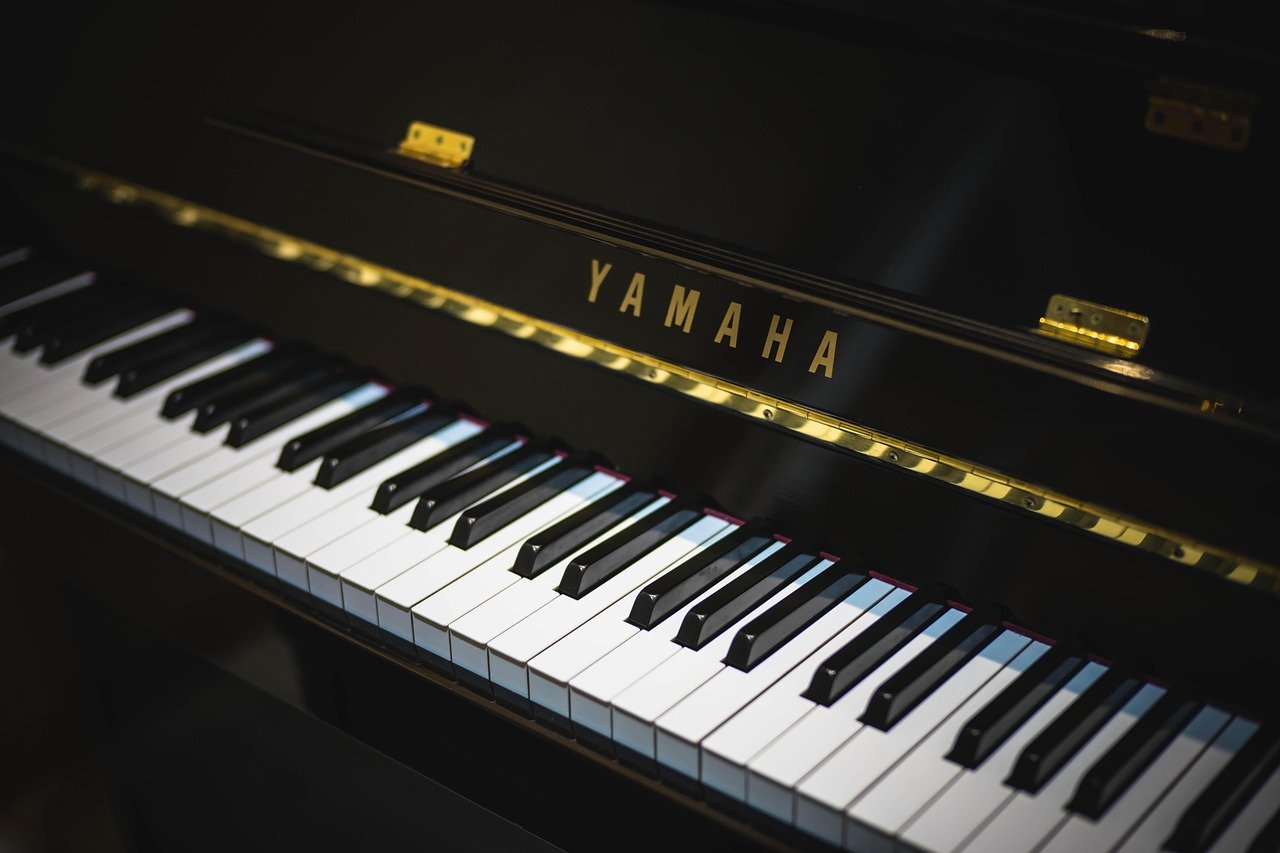
The YDP-145 is the console choice in this lineup. Poppler’s Music describes it as Yamaha’s most affordable console digital piano, designed specifically with beginners in mind. That wording comes from a retailer, so treat it as positioning rather than a ranking.
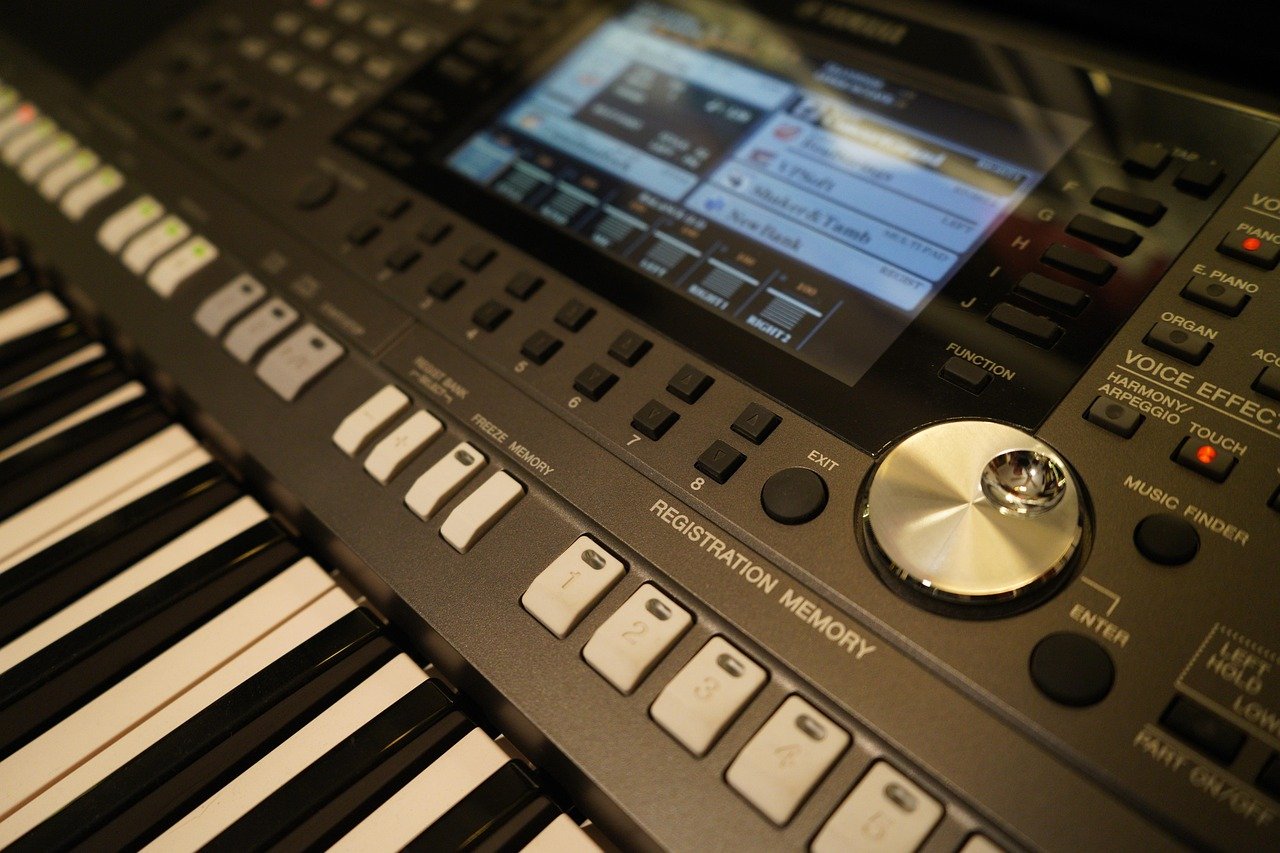
Its learning features back that positioning. The YDP-145 includes 353 built-in songs, split into 50 classical pieces and 303 exercises, which gives a newcomer material to practise without buying books straight away. Virtual Resonance Modeling Lite (VRM Lite) simulates the sympathetic vibrations of a grand piano, and half-damper pedal control is included. It comes in Black and Dark Rosewood finishes.
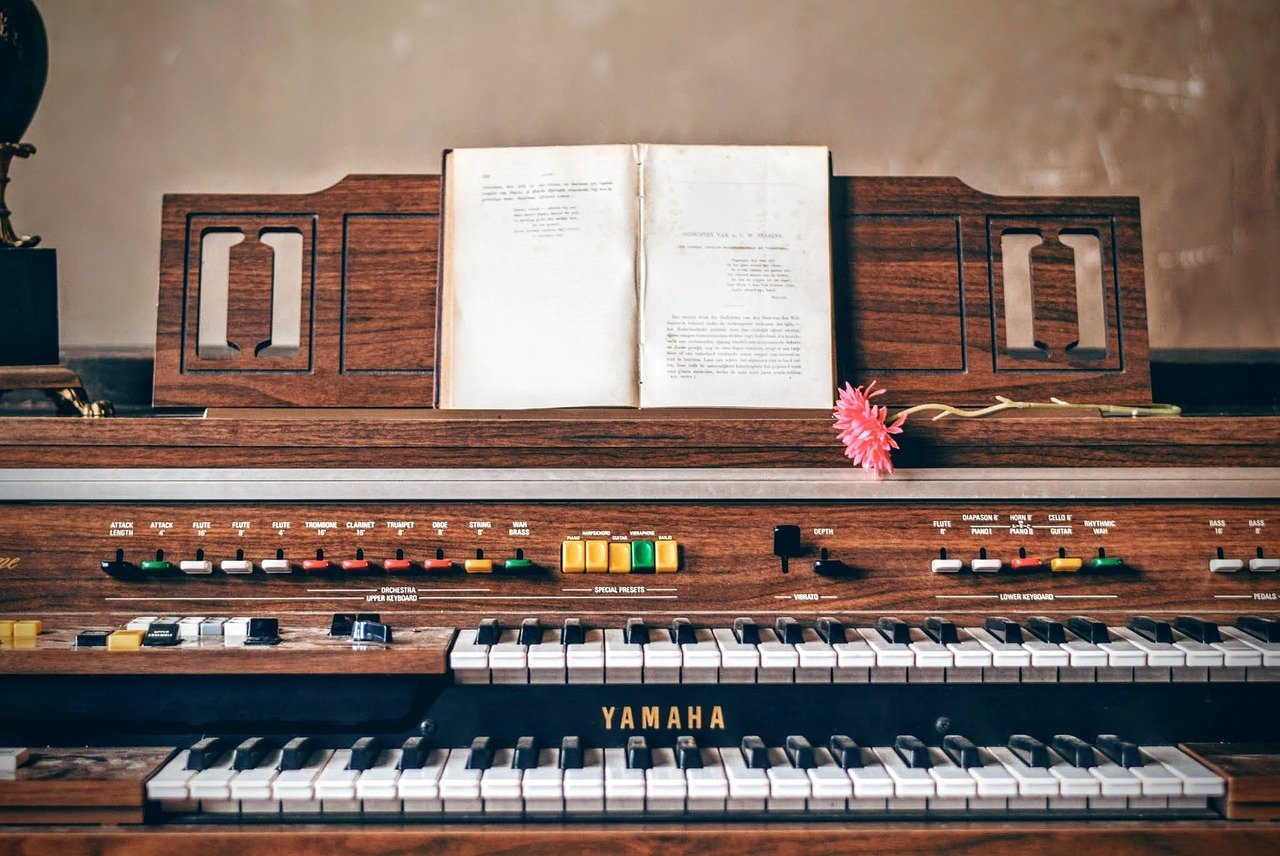
- Best fit: a beginner who wants one instrument with the pedal control and practice material included, and who has floor space for a cabinet.
- Weigh carefully: a console is a fixed piece of furniture, while a P-series keyboard is a separate instrument. If the room changes often, that difference matters more than any feature.
- Price check: no list price is quoted for the YDP-145 here, so compare current retailer listings before setting a budget against the P-series models.
If key feel matters most: P-515
The P-515 is the Yamaha in this comparison for players who put touch first. Keymaster Piano lists it at $1,499 (as of October 2024) and describes wooden keys with synthetic ivory keytops that feel very natural.
Wooden keys are the clear reason to pay more than the entry-level band. A beginner working through scales gains little extra from them, but an intermediate or advanced player who already knows what an acoustic action feels like is likelier to notice the difference. Anyone still deciding between the P-125 and the P-515 should start with how long they plan to play and whether they can try both in a shop.
Controls, app and headphone practice
Beyond key action, the YDP-145 adds two practice-friendly features. Poppler’s Music notes Stereophonic Optimizer technology, which creates a natural, immersive sound environment through headphones, and compatibility with Yamaha’s free Smart Pianist app.
Headphone sound matters for anyone practising in a shared home, so it is worth treating as a deciding feature rather than an extra. The app suits players who would rather adjust settings on a screen than through a row of buttons on the instrument.
Setting up a complete Yamaha rig
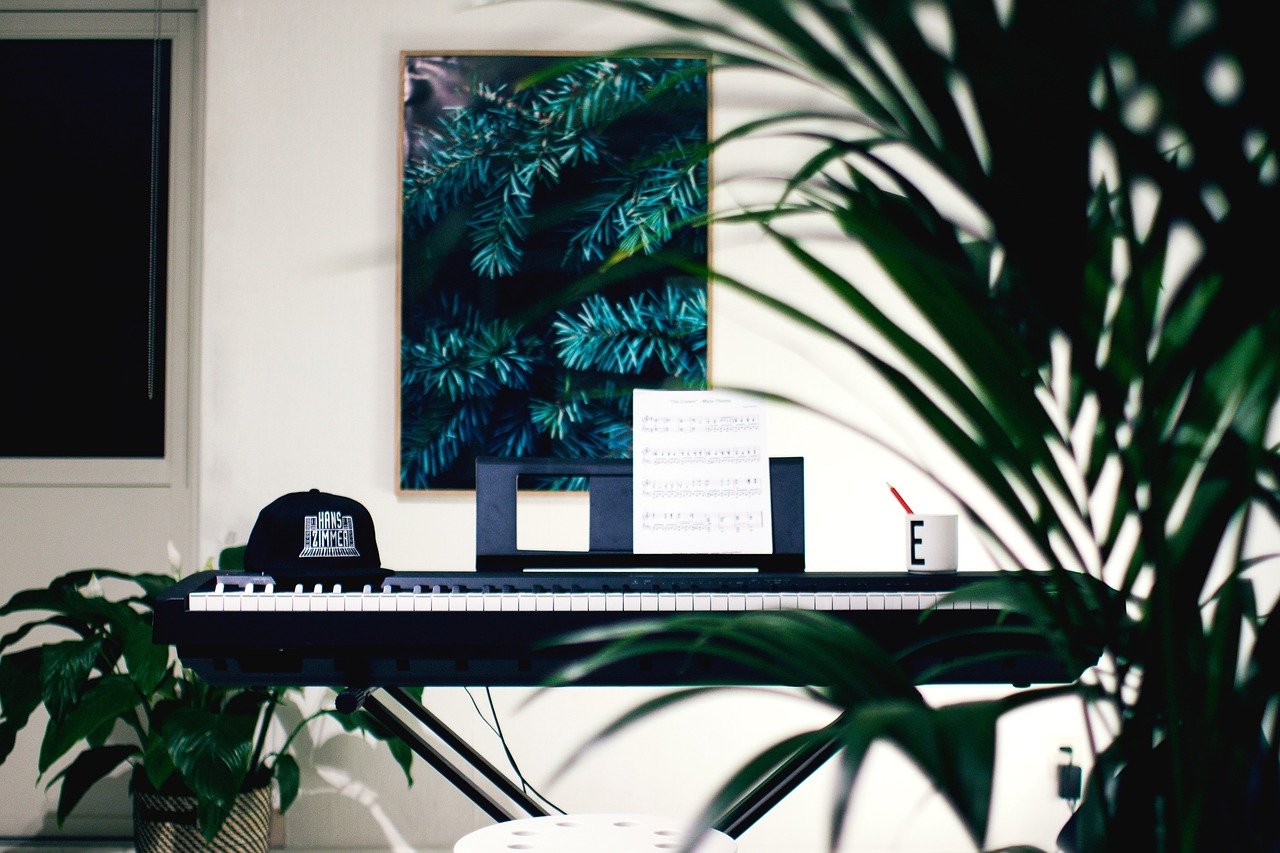
A digital piano is only as usable as its setup. A keyboard needs a stable stand, a music rest at reading height and a pedal that suits the way the player works.
With the YDP-145, half-damper pedal control is already part of the instrument. With a P-series model, check what is in the box before ordering, and budget separately for any stand or pedal that is missing.
Is Yamaha worth the price against other brands?
Yamaha’s value case is strongest at the low end, where the P-45 and P-125 stay inside the $500-800 entry-level band. Further up, rivals are close on price. Keymaster Piano lists the Kawai ES920 at $1,399 and says it offers incredible value, while the Roland FP-90X is $1,799 (all as of October 2024).
That places the P-515 at $1,499 above the ES920 and below the FP-90X. The numbers alone do not make Yamaha the better buy at that tier. Choose the P-515 if wooden keys with synthetic ivory keytops are the priority, and look at the ES920 first if the aim is the lowest price in that bracket. Shoppers building a Roland shortlist can read our guide to the best roland digital piano options.
Matching a Yamaha to the buyer
- First-time learner on a strict budget: the P-45, with the P-125 as the safer choice if the budget stretches.
- Beginner who wants a console: the YDP-145, thanks to its built-in songs, pedal control and headphone sound.
- Player who prioritises touch: the P-515, because of its wooden keys.
- Buyer comparing brands: weigh the P-515 directly against the Kawai ES920 and Roland FP-90X before committing.
Frequently asked questions
Is the Yamaha P-45 enough to start on?
For a strict budget, yes. Keymaster Piano lists it at $550 and calls it about the lowest price it would go. Buyers with spare budget are better served by the P-125.
Are the quoted prices still current?
The prices here are as of October 2024, per Keymaster Piano. Retailer prices and availability change, so check a current listing before buying.