The best digital piano for advanced players depends on repertoire: Kawai models such as the Novus line suit classical and solo playing, while Roland’s LX series suits jazz, live and production work. Both brands suit professional playing.
Picture two players with strong technique. One practises a classical programme at home and wants the keys to answer like a grand. The other plays gigs, records at home and wants sounds that sit in a mix. They need different instruments, and the choice comes down to touch first, sound second and extras third.
This shortlist narrows the wider field of best digital pianos to two hybrid-style options for players who already have technique. A hybrid piano here means an instrument whose keys and action aim to behave like an acoustic piano, which the sections below explain.
Shortlist at a glance
| Criterion | Kawai (including the Novus line) | Roland (including the LX series) |
|---|---|---|
| Key material | Solid wood keys, weighted to mirror a grand piano | Blend of wood and plastic |
| Action | Weighted keys with a grand-piano feel | Hybrid grand action for a more responsive touch |
| Sound method | Each note sampled from Kawai acoustic grands, using Harmonic Imaging and the SK-EX Rendering engine | PureAcoustic and V-Piano engines that mimic hammer action and string vibrations |
| Best suited to | Classical or solo pianists who want a natural feel and warm, rich tones | Jazz, live performance and sound production |
| Extras | Focus on feel and acoustic tone | Bluetooth MIDI, USB audio, DAW and smart app compatibility; full sound library in the ZEN-Core system; built-in lessons |
These descriptions come from a Sam Ash comparison guide to Kawai and Roland key action and acoustics, released through MarketersMedia.
Kawai Novus: the classical and solo choice
The Kawai Novus is the better fit for a pianist whose main aim is repertoire work at home. The Sam Ash guide says Kawai models may be preferable for classical or solo pianists because of their natural feel and warm, rich tones.
Touch and keys
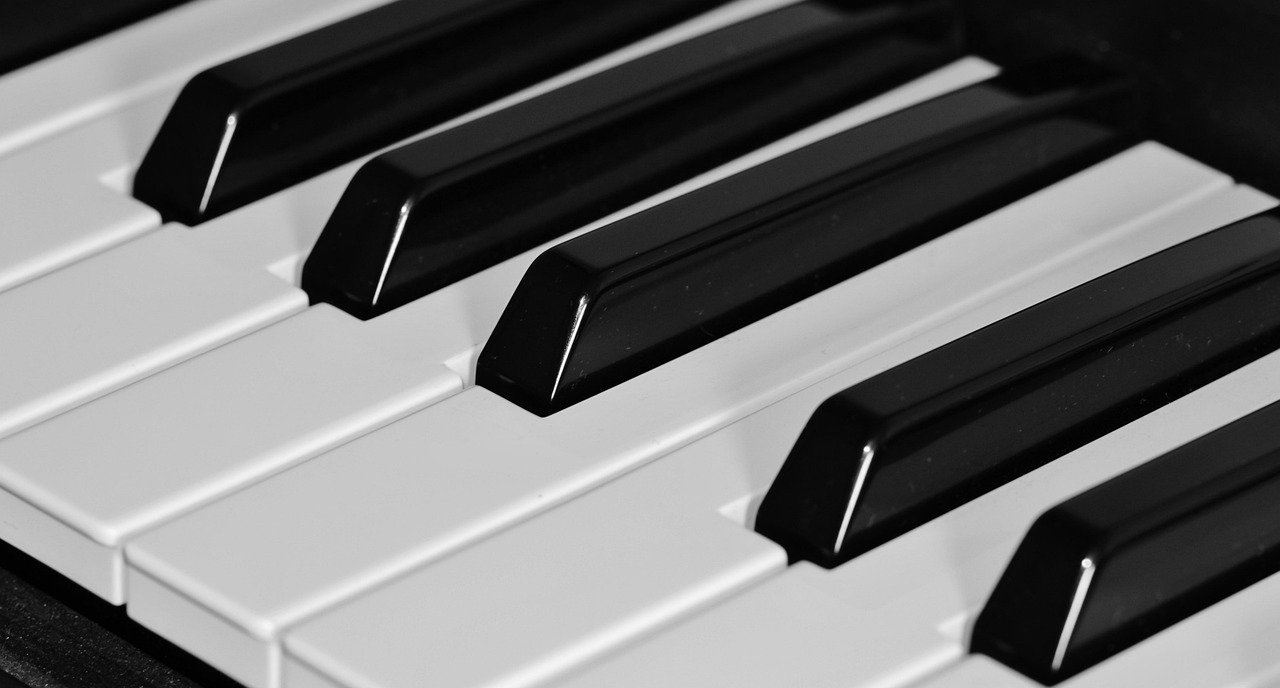
Kawai’s digital piano keys are solid wood and weighted, mirroring the feel of a grand piano. For an advanced player, that matters most in quiet, controlled playing, where the key has to respond evenly to small changes in weight and speed. If the practice room is where you spend most of your time, this is the quality to put first.
Sound
Kawai samples each note from its acoustic grand pianos, then applies Harmonic Imaging and the SK-EX Rendering engine. The sound is therefore built from real grand-piano recordings rather than synthesised, which fits a player who wants the instrument to disappear behind the music.
The trade-off is breadth. The guide does not credit Kawai with a library of other sounds or built-in lessons, so this is an instrument for people who want one thing done well. Check the exact specification of the Novus model you are considering, including its key sensors and action name, on Kawai’s own product page before committing.
Roland LX series: the gigging and production choice
The Roland LX series suits an advanced player who treats the piano as one part of a wider setup. According to the same guide, Roland pianos may be favoured for jazz music, live performances and sound production.
Keys and action
Roland’s keys are a blend of wood and plastic, using hybrid grand action for a more responsive touch. That is a different recipe from Kawai’s solid wood, and a fair reading is that it prioritises responsiveness rather than a strictly grand-like weight. Players who like a quick, lively key may prefer it. Players chasing the most traditional grand feel should compare it directly against the Kawai.
Sound and connectivity
Roland digital pianos use PureAcoustic and V-Piano engines to mimic the hammer action and string vibrations of real pianos. The models also come with a full sound library in the brand’s ZEN-Core system, which gives a working musician more than a single piano voice.
Connectivity is where Roland pulls ahead for recording and live use. Its digital pianos are compatible with Bluetooth MIDI, USB audio, DAW software and other smart apps. For anyone who records ideas, sends MIDI to a computer or layers sounds on stage, those options reduce the need for extra equipment. Roland models also often come with built-in lessons and a more beginner-friendly layout, which an advanced player can simply ignore.
Hybrid piano versus ordinary digital piano
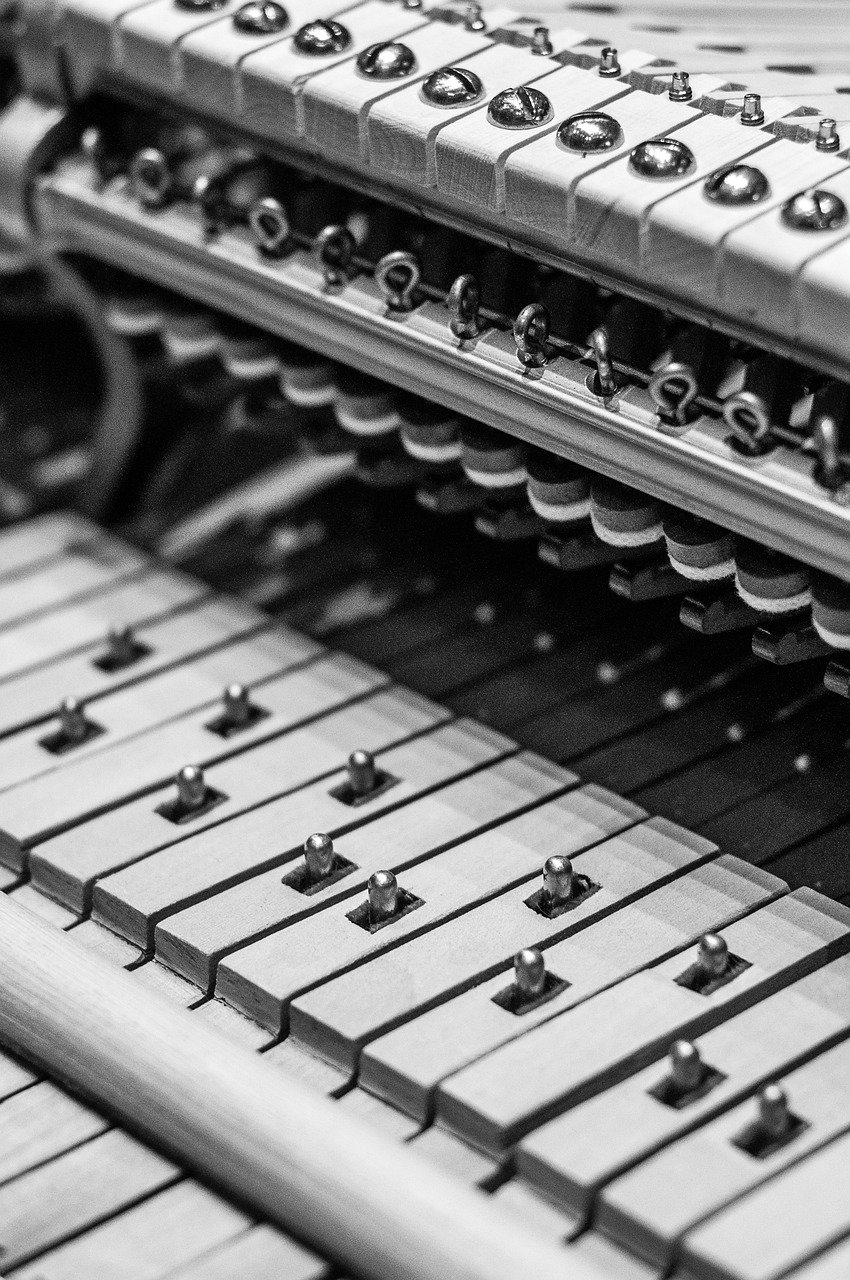
A hybrid piano is defined by its key action, not by its speakers. Roland’s description is the clearest example: wood-and-plastic keys paired with hybrid grand action to give a more responsive touch.
The sound engine is a separate matter. Kawai’s SK-EX Rendering engine and Roland’s PureAcoustic and V-Piano engines decide how a note sounds once a key is struck. The action decides how that note is reached. An instrument can have an impressive engine and a modest action, so advanced players should judge the two independently.
Manufacturer pages and owner’s manuals are the place to confirm model-specific details such as key materials, sensors and escapement. Those details differ between models within a brand, and a brand-level comparison cannot settle them for you. For a wider brand view, the yamaha vs roland digital piano comparison puts the makers side by side.
Are wooden keys worth paying more for?
Wooden keys are worth paying for when touch is your priority, particularly for classical playing. Kawai’s solid wood keys are weighted to mirror a grand piano, and that is the strongest argument for them. The guide’s recommendation of Kawai for classical and solo pianists rests on that natural feel.
The picture is less clear-cut than wood versus plastic, because Roland also uses wood in a wood-and-plastic blend. A mixed key paired with a well-designed hybrid action can still feel responsive. The useful question is therefore how the key behaves under your hands, not only what it is made of.
Wood matters less if most of your playing is sound design, accompaniment or recording. In that case, spend on the sound library and connectivity rather than on key material. If you are unsure, play both before buying and judge the repeated notes, quiet passages and fast scales you actually use.
Which digital piano suits classical pianists?
Classical pianists are best served by the Kawai approach. The guide points to its natural feel and warm, rich tones for classical or solo playing, and the solid wood weighted keys support the demand for even control. Roland remains a viable choice, since both brands are suitable for professional playing, but it leans towards jazz, live work and production.

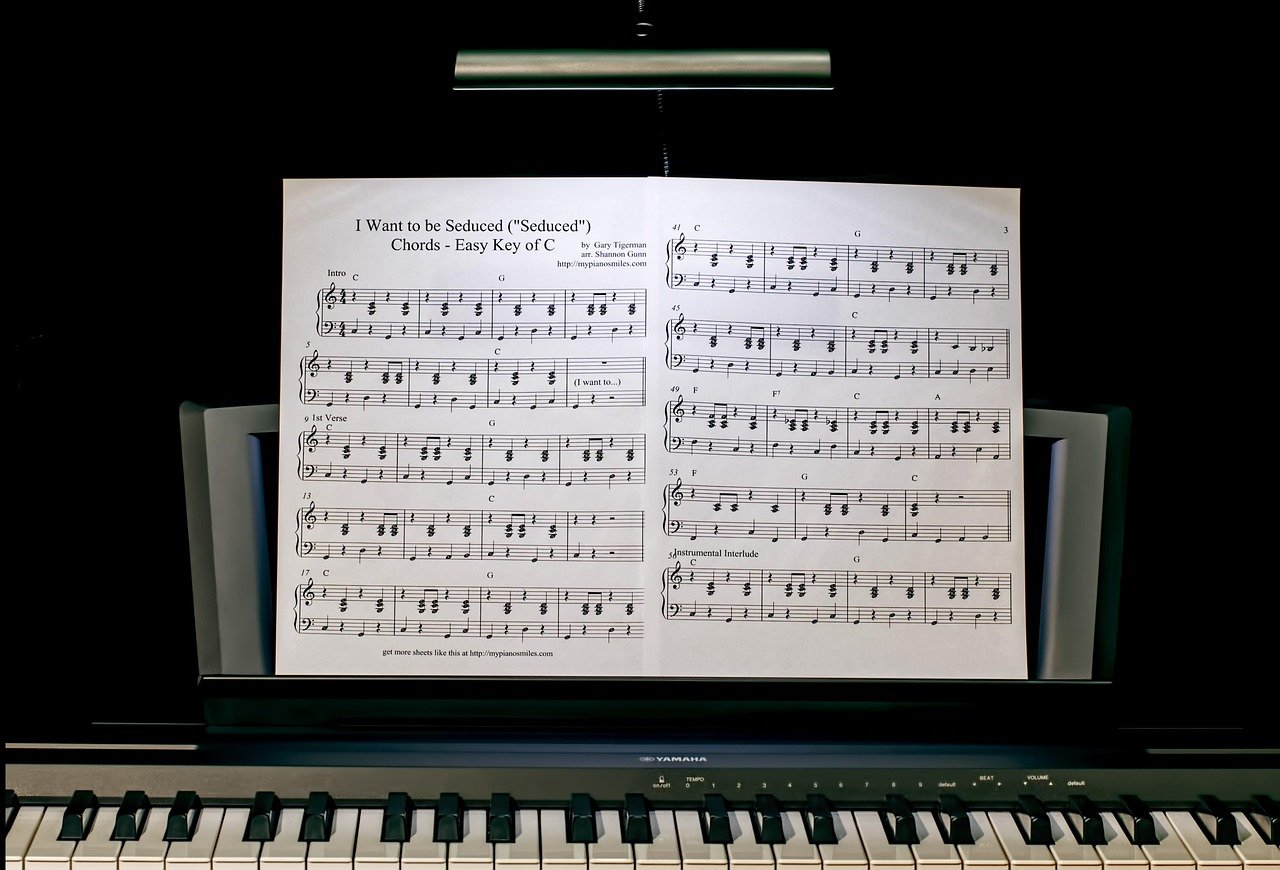
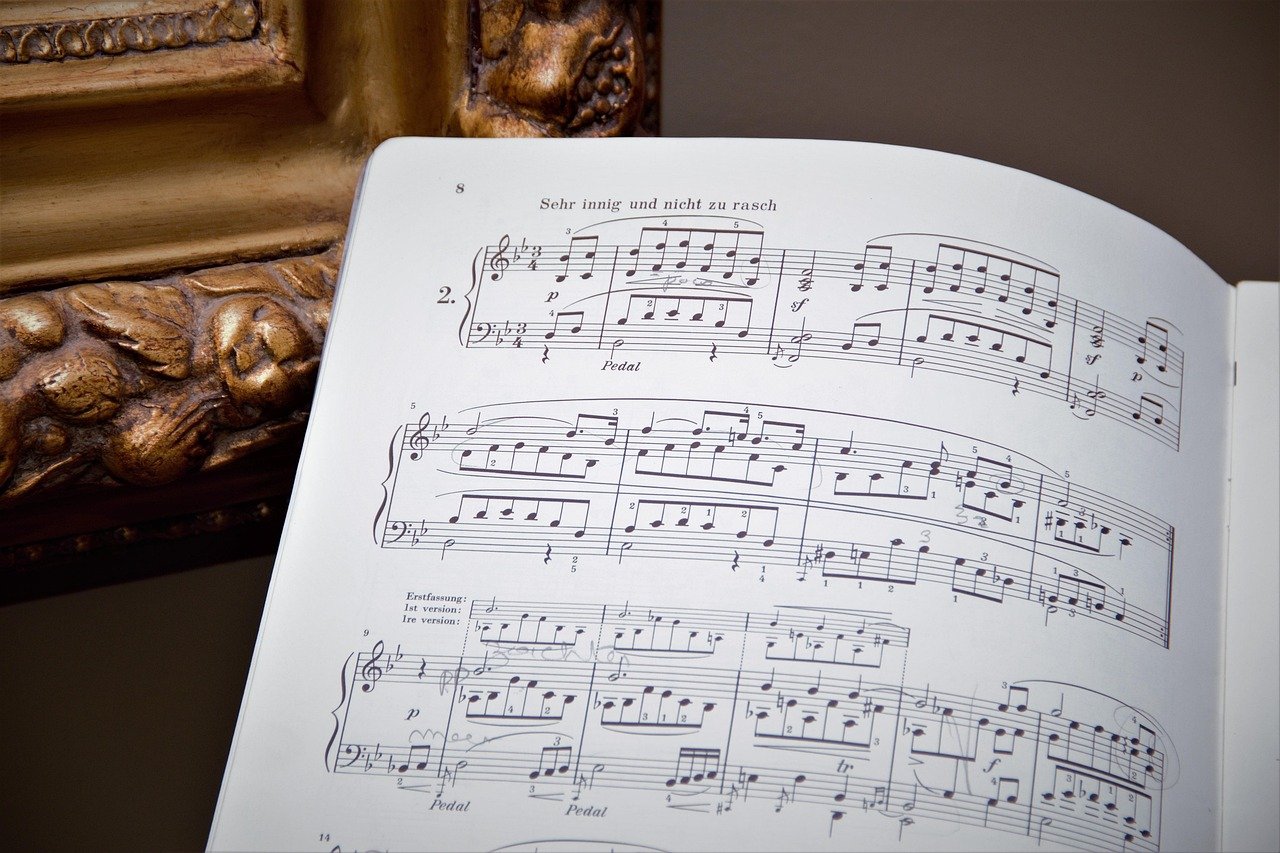
Pedalling is the other classical concern. Printed scores mark sustain pedal use carefully, so a pedal unit that feels natural under the foot is part of a serious classical setup. Test the pedals on any model you are considering, because the comparison guide does not rate them.
Decision checklist
Work through these steps in order, since the early ones eliminate more options than the later ones.
- Name your main repertoire. Classical and solo playing points to Kawai. Jazz, live performance or production points to Roland.
- Play the keys. Compare Kawai’s solid wood weighted keys with Roland’s wood-and-plastic hybrid grand action, using passages you know well.
- Listen for the sound you want. Choose between sampled acoustic grands with Harmonic Imaging and the modelled hammer and string behaviour of PureAcoustic and V-Piano.
- List your connections. If you record or use a DAW, Roland’s Bluetooth MIDI and USB audio support count in its favour.
- Confirm model details. Read the manufacturer’s page or the owner’s manual for the exact keys, sensors and escapement of the model in front of you.
- Check the footprint. If the piano must move between rooms or venues, the best portable digital piano options are worth comparing before settling on a heavier hybrid.
Frequently asked questions
What is the best digital piano for advanced players?
There is no single winner. The Kawai Novus is the stronger match for classical and solo playing, and the Roland LX series is stronger for jazz, live performance and production. Both are suitable for professional playing.
Can Roland work for classical repertoire?
Yes. Roland’s hybrid grand action and modelled hammer and string behaviour suit demanding playing, and the brand is suitable for professionals. It simply leans towards jazz, live work and production, so compare it against Kawai if classical touch is your main aim.
Which connections does Roland offer for recording?
Roland’s digital pianos link up with Bluetooth MIDI gear, USB audio interfaces, DAW programs and other smart apps. The models also include a full sound library supplied through the brand’s ZEN-Core system.
Do advanced players need built-in lessons?
Usually not. Roland models often include built-in lessons and a beginner-friendly layout, but those features are aimed at novices, so they should not drive an advanced player’s choice.