
| Symptom | First action | Planning use |
|---|---|---|
| Baby or small upright, flat route, no steps | Line up helpers and a piano dolly | Two people are enough to lift and load baby pianos. Lifting an upright onto a dolly takes 3-4 people. |
| One or two steps at an entrance | Use weightlifting straps and extra hands | Suits a short, controlled step only. Anything longer is stair work. |
| A full flight of stairs | Stop and book professional piano movers | Carrying a piano down stairs needs at least three movers, and the stairs need padding. |
| Grand piano | Book professional piano movers | The guidance calls the job risky and critical, and a grand weighs around 500 kg. |
| Piano must cross carpet | Do not push it on its legs | Pushing a heavy piano across carpet can snap the legs. Flat plywood under the legs avoids that. |
| Doorway or turn looks tight | Measure the route and note the exact model | The real route and exact model are more useful than generic figures. |
Guidance from Harry the Mover and UT Piano Movers supports these starting points.
Before deciding how to move a piano, check whether the job is realistic: a small upright on a flat route can be a team job with a dolly, straps and blankets, while a grand, stairs or a tight turn point to professional movers.
Typical weights vary by model, so the guide on how much does a piano weigh in the Recording Gear & Piano Care section helps with planning. The sections below cover the decision, the route, the equipment and then each piano type.
Deciding between a DIY move and professionals
An upright piano normally weighs 130 kg, and a grand piano weighs around 500 kg, according to Harry the Mover. That gap is why the type of piano decides who should do the job. Treat the figures as typical values, not a weight for a specific instrument.
When a DIY move is realistic
- A baby piano or small upright. The same guide says no more than two people are needed to lift and load baby pianos.
- A flat, clear route. Few doors, no stairs and no turns keep the move to rolling on a dolly.
- Enough strong helpers. Lifting an upright onto a dolly needs at least 3-4 people with strong arms. If that group cannot be gathered, the move is not a DIY job.
When to stop and call professionals
- Any grand piano. The source describes moving one as a risky and critical task and advises seeking assistance.
- Stairs, tipping or taking the piano apart. UT Piano Movers advises leaving lifting, tipping, disassembly, loading and stair handling to qualified piano movers.
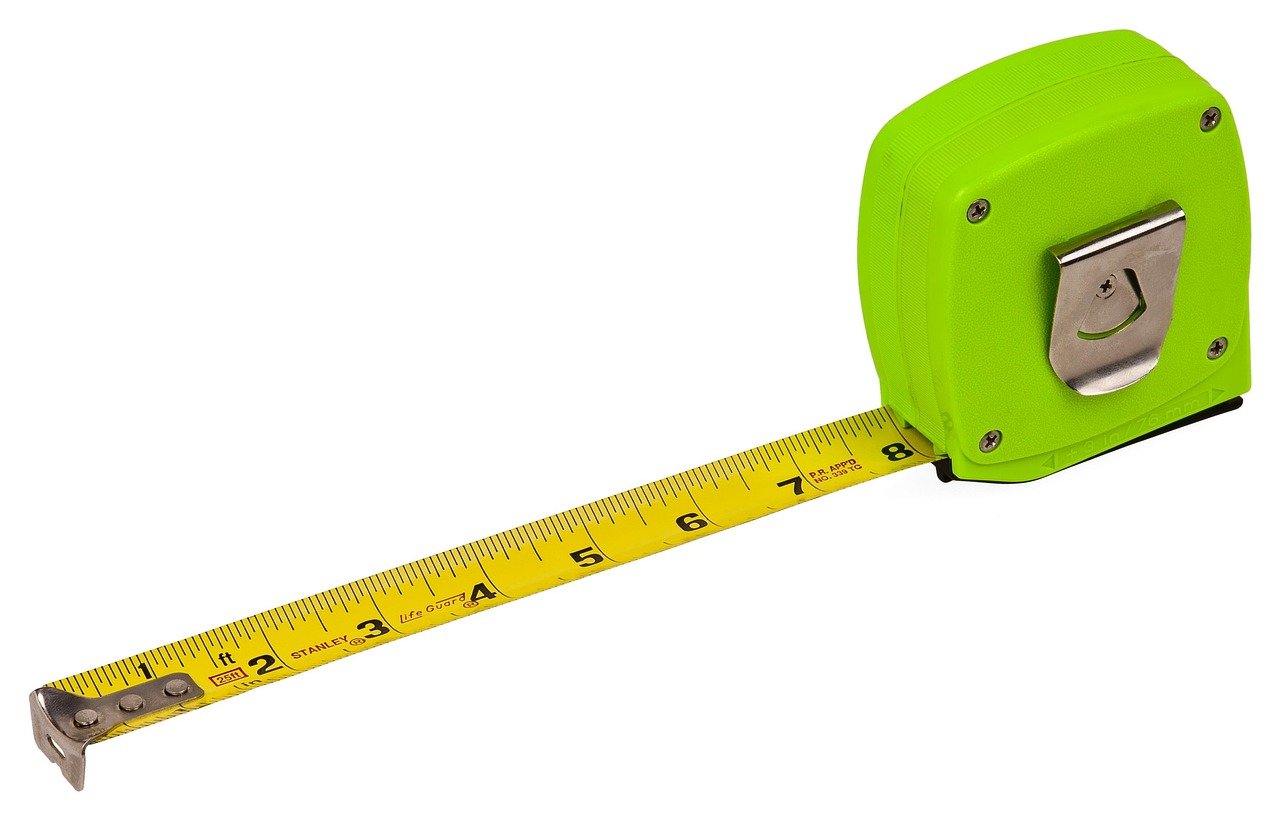
- Unclear clearances. If the piano cannot be shown to fit the route with a tape measure, stop before lifting.
Measure the route before anyone lifts
Exact model information and the real route are more useful than generic weight or clearance figures, as UT Piano Movers notes. So the first practical step is to gather both: the make and model of the piano, and measurements of the path it must travel.
- Write down the exact make and model of the piano.
- Measure the piano at its widest and tallest points.
- Measure every doorway, hallway and turn on the route, and note the narrowest point.
- Walk the route and mark steps, thresholds, carpet and any change of floor type.
- Choose the final position, and clear furniture from the route and the room.
A piano that clears the narrowest doorway by a small margin leaves no room for helpers’ hands. In that case, treat the route as a reason to call professionals.

Equipment and protection for the piano and floors
Protection covers three surfaces: the piano, the floors it crosses and the vehicle that carries it. Each one needs padding before the first lift.
- Piano body. Wrap the instrument with moving blankets, plastic wrap or a cloth large enough to cover it completely. Tape the keyboard cover shut so it cannot open in transit.
- Straps. Harry the Mover says to secure the piano with dolly straps to avoid a fall or breakage. Ratchet straps do the same job on a flat run once the piano is padded.
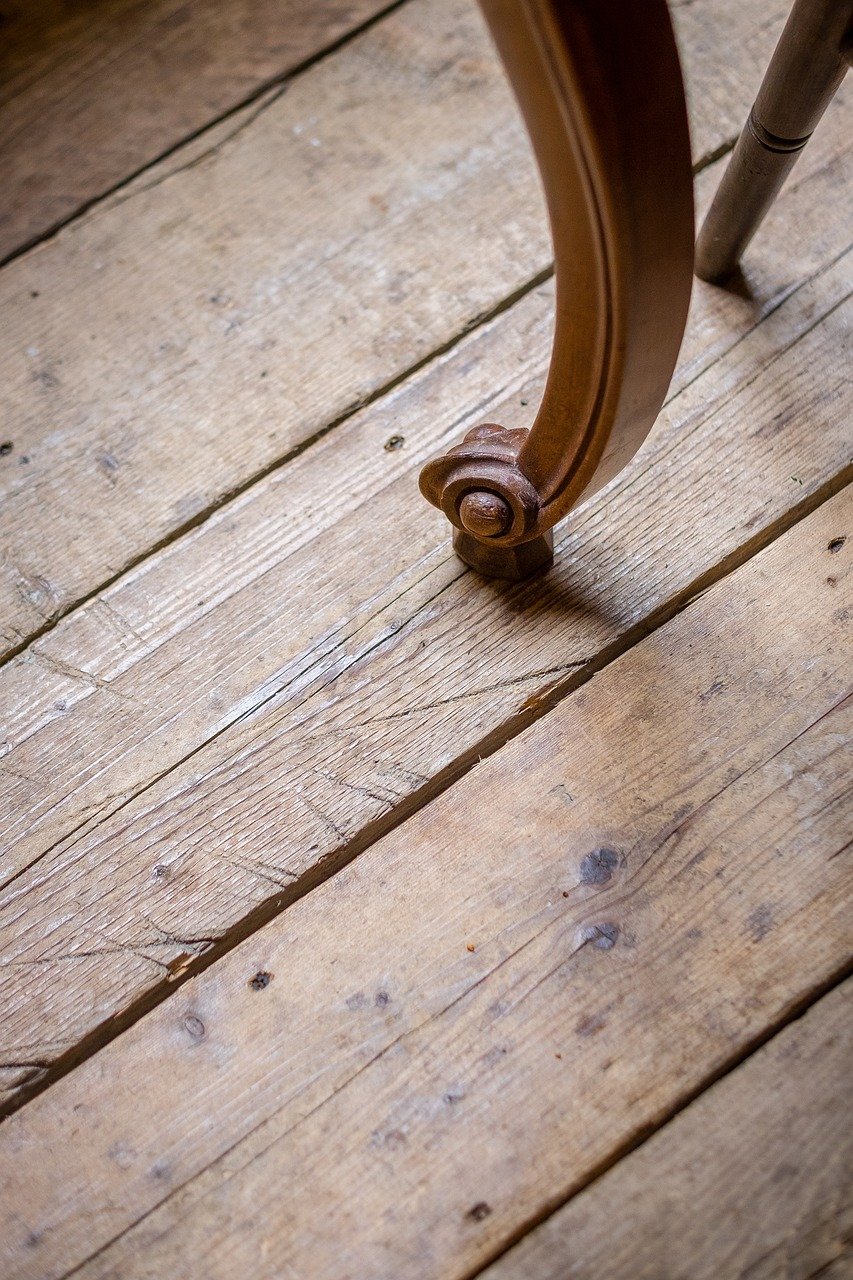
- Floors. Put cardboard pads on all stairs to prevent scratching and damage. Pushing a piano across carpet on its own legs risks snapping them because of its weight. Flat plywood under the legs is the alternative for a short slide.
- Vehicle. Cover the floor of the van with moving blankets before loading.
Moving an upright piano step by step
An upright suits a DIY move only on a flat route with enough helpers. Work in this order and stop if any step cannot be done safely.
- Clear the route, lay protection on the floors and confirm the helpers are in place.
- Close the keyboard cover and tape it shut.
- Wrap the piano in blankets, plastic wrap or cloth.
- With 3-4 people, lift the piano onto the dolly.
- Secure it with dolly straps before it moves.
- Roll it slowly along the planned route, with one person watching the path ahead.
- At a single entrance step, use weightlifting straps with extra hands, as Harry the Mover suggests for one or two steps.
- Load it onto the padded van floor and strap it in place.
If the piano starts to tilt or the helpers disagree about the next move, set it down and reassess. A piano that is not secured on the dolly is the usual point where a minor slip becomes breakage.
Getting a piano up or down stairs
Stairs are where DIY moves most often become unsafe. Harry the Mover says carrying a piano down stairs needs at least three movers, and that is a minimum for the carry itself. It also says to pad every stair with cardboard and to take the dolly off for the stair section.
- One or two steps. Weightlifting straps and extra helpers can manage a short, controlled drop.
- A full flight. Hand it to qualified piano movers, who handle stair work as part of their job.
- Stairs with a turn. Measure the stair width and landing first. If the piano cannot clear the turn, do not attempt it.
Moving a grand piano
A grand piano is a job for professional piano movers. At around 500 kg, it is the heaviest case in the table above, and Harry the Mover advises seeking assistance for it. For a grand, the useful DIY work happens before the movers arrive.
- Prepare the route. Measure the doors and turns, clear furniture and lay protection on the floors.
- Prepare the destination. Decide where the piano will stand so the movers can place it once.
- Leave the handling to the crew. Tipping, disassembly and loading are on the list UT Piano Movers assigns to qualified movers. Specialist equipment such as a piano skid board belongs to that professional toolkit.
For a very short slide on a flat floor, the guidance describes a flat piece of plywood large enough for all three legs to stand on. That is a way to avoid pushing the legs across carpet, not a way to move the piano between rooms.
Hiring piano movers
When the move is beyond a helper team, the choice of mover matters as much as the date. UT Piano Movers advises confirming the proposed mover’s capability, protection, timing and written scope for the instrument and route.
- Capability. Ask whether the crew has handled the piano type, whether upright or grand, and the route’s features such as stairs.
- Protection. Ask how the piano, the floors and the building will be covered.
- Timing. Agree the arrival window and the time allowed for the job.
- Written scope. Get the work described in writing, including the pickup and delivery points.
Share the exact model and the route notes from the measuring step so the crew can plan from facts rather than generic figures. If the piano is not worth moving at all, how to dispose of an old piano covers the alternative.
After the move
Once the piano is in place, remove the wrapping and untape the keyboard cover. The new room’s conditions also matter, so check the ideal humidity for piano before settling it permanently.
Frequently asked questions
| Question | Answer |
|---|---|
| Why is a piano hard to carry even with enough people? | Pianos are top-heavy because the soundboard, strings and frame sit in the upper part of the cabinet, according to UT Piano Movers. Uneven weight distribution can cause structural damage such as cracks in the soundboard. |
| Does taking a piano apart make a move safer? | Disassembling hefty items like a piano reduces the chance of damage and injury, per Harry the Mover. UT Piano Movers lists disassembly among the tasks for qualified movers. |
| What are the main risks of a DIY piano move? | The main risks are hurting a back and smashing fingers and toes, as well as damage to the piano, which is why the guidance suggests professionals for the heaviest or most awkward moves. |