| Model | Design | List price and review date | Planning use |
|---|---|---|---|
| Libratone Q Adapt | On-ear, noise-cancelling | $249 USD, June 2017 | Everyday practice where room noise is an issue |
| Audeze iSine10 | Earphones, analog cable option | $349 USD analog only; $399 USD with Lightning and analog cables, March 2017 | Only the analog cable matters for a piano |
| Blue Ella | Planar-magnetic panels | $699 USD, March 2017 | Premium listening and critical monitoring |
| Bowers & Wilkins P9 Signature | Headphones | $899.99 USD, April 2017 | Top-end budget; fit matters more than price |
| Audiofly AF1120 | Six-driver earphones | $699.99 USD, January 2017 | In-ear option for light, compact wear |
| Brainwavz B200 | Earphones | $199 USD, May 2017 | Mid-priced in-ear option |
| 1More Triple Driver | Hybrid balanced/dynamic earphones | $99.99 USD, released 2016 | Entry-level in-ear option |
Prices are as reported in SoundStage! Xperience reviews and are dated review figures, not current listings; confirm today’s price before buying.
The best headphones for digital piano are comfortable wired closed-back or on-ear pairs whose plug matches the piano’s socket; wireless suits casual listening more than timing-critical playing.
Related gear and care topics, including how much does a piano weigh, sit in the same hub as this guide.
Long practice sessions at home
For daily practice, comfort decides more than any specification.
The reviewers at SoundStage! Xperience note that the weight of some high-end designs could make the headphones exhausting to wear for an hour. They also report that some models use uncomfortably strong clamping force to achieve a firm seal around the ear. Those two traits, mass and grip, are the ones to check first on any pair you plan to wear at the keyboard.

The practical trade-offs look like this:
- On-ear designs. The Libratone Q Adapt is an on-ear, noise-cancelling model. It suits a household where the piano shares space with other noise, but pressure on the ear can build up over a long session.
- Heavy premium over-ear pairs. They can sound excellent, yet weight and clamping force are the usual complaints. Try them on for a full session before keeping them.
- In-ear earphones. They carry almost no weight on the head, which helps with long sessions. Fit inside the ear canal becomes the comfort question instead.
Plugging into the piano: jacks and adapters
A digital piano’s headphone socket comes in one size, and a pair of headphones comes with a plug in the same or a different size. When they differ, a small adapter bridges the gap. Check the piano’s owner manual for its socket and the headphone’s spec sheet for its plug before ordering anything.
An adapter is a convenience, not a substitute for fit. A stack of adapters and extension leads adds points where a connection can loosen or crackle, so buying a pair with the right plug is neater than adapting a mismatched one. A screw-on or built-in adapter is usually a sturdier choice than a loose one that can be knocked out of the socket.
Cable choice matters too. The Audeze iSine10 earphones are priced at $349 USD with the analog cable only and $399 USD with Lightning and analog cables, according to the March 2017 review. A piano has an analog headphone output, so the analog cable is the one that matters, and the extra cable is a cost with no benefit at the keyboard.
On impedance, compare the headphone’s published figure against what the piano’s manual says about its headphone output. A pair that sounds quiet or thin at full volume on the piano is a sign of a poor match, and the return window is the time to find out.
Wireless headphones and timing
Wireless headphones suit watching videos, walking around or listening to recordings. They suit playing less well. A pianist hears each note after pressing the key, so any delay in the signal path is noticeable in fast passages and in rhythmically precise pieces.
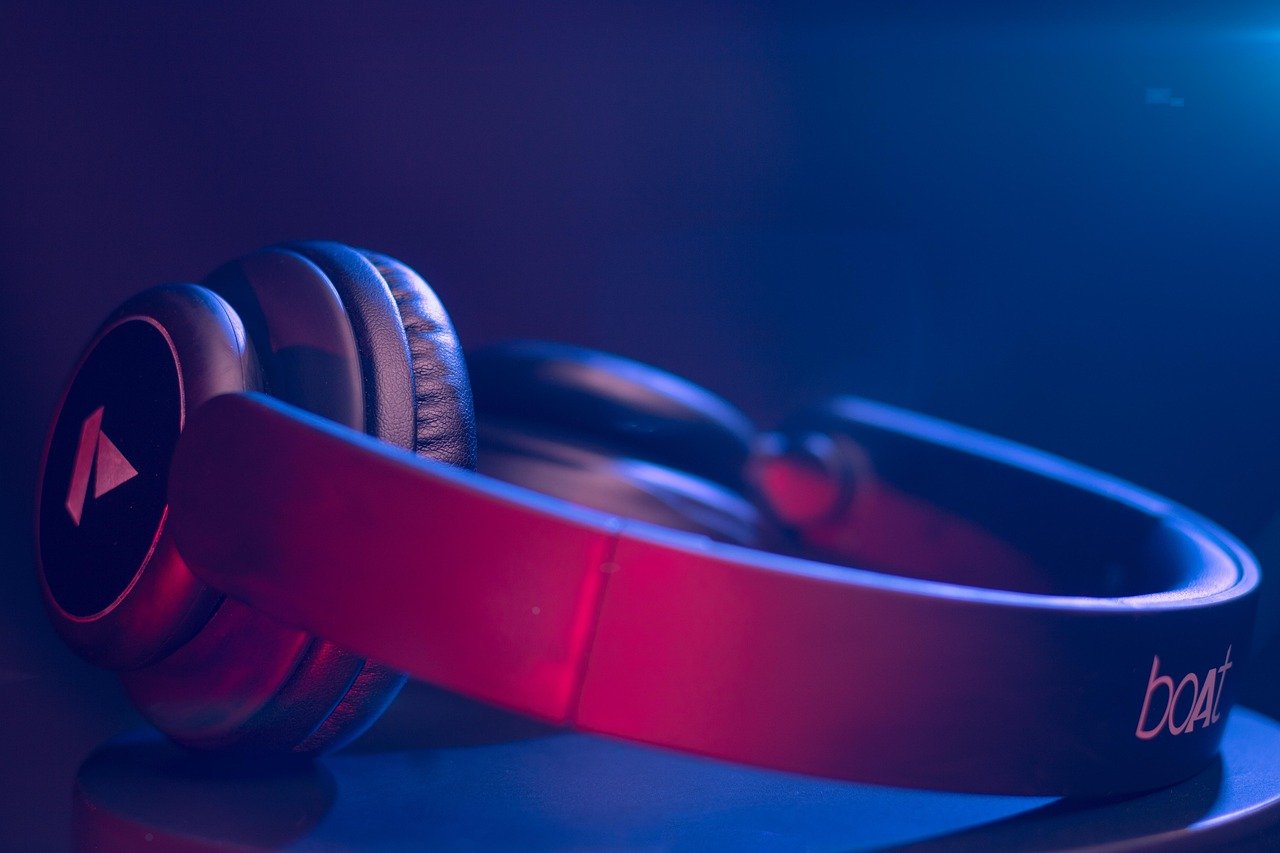
The simplest rule is to treat a wired pair as the default for practice and keep wireless for everything else. Wireless can still suit a player who values freedom of movement over timing, such as a beginner working through slow pieces. Before committing, test the pair with the fastest passage in the repertoire, and buy from a seller with a straightforward return policy.
- Wired. No wireless link to check, no battery to charge before a session, and the plug-and-play behaviour a piano is built around. The cable is the cost: it can tug at the head and limits movement.
- Wireless. It leaves the player free of cables, but it adds a link between piano and ears that wired designs avoid, plus charging to remember.
Studio headphones for piano recording
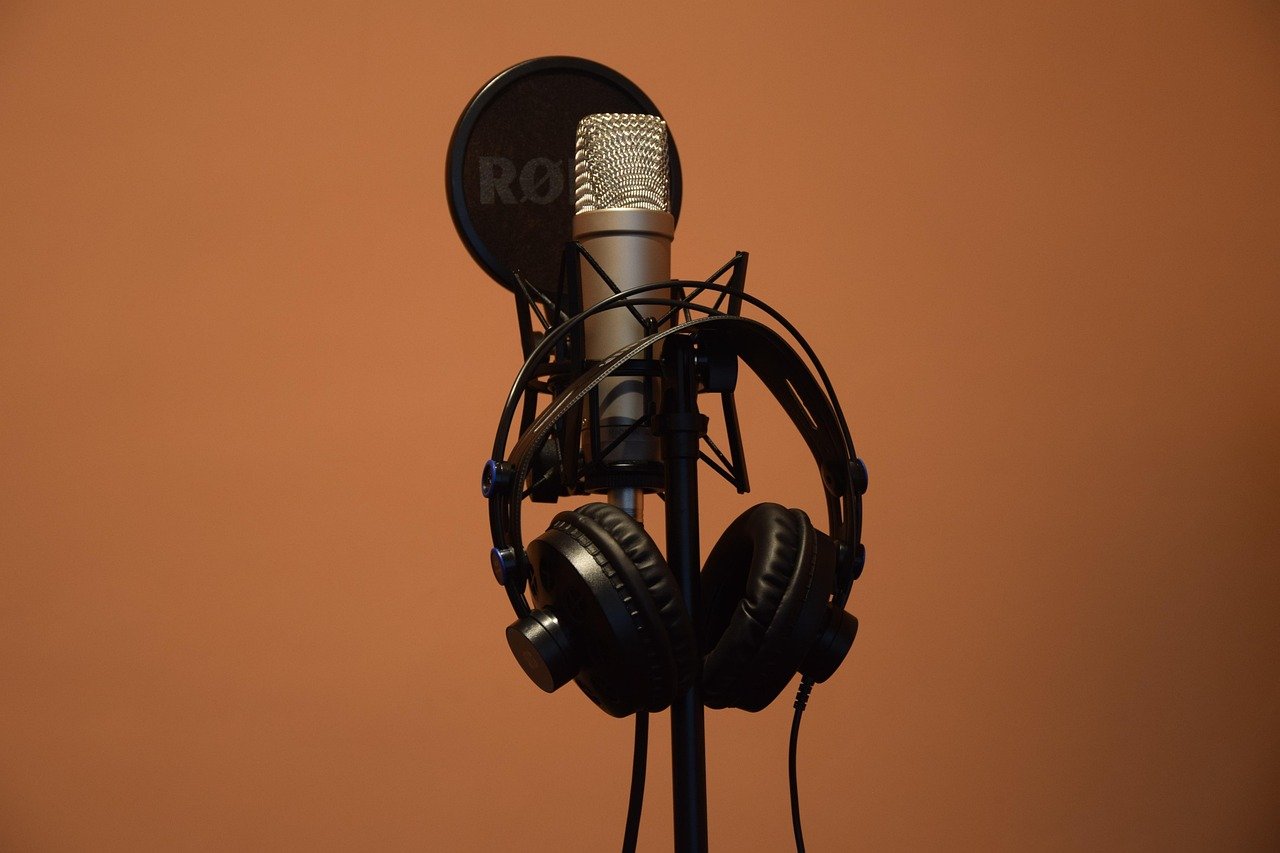
Recording is a different job from practising. Here the headphones act as a monitor, so accuracy and isolation matter, and the pair needs to stay comfortable through repeated takes. Closed-back designs keep the headphone sound from leaking into a nearby microphone, and the headphones usually plug into an audio interface rather than the piano.
The SoundStage! Xperience reviews show the range of premium choices. The Blue Ella headphones, at $699 USD in March 2017, replace the conventional dynamic drivers of their predecessor with planar-magnetic panels. The Bowers & Wilkins P9 Signature was reviewed at $899.99 USD in April 2017. Both sit at the top of the price range, and neither is a requirement for piano work.
Earphones are also an option. The Brainwavz B200 was reviewed at $199 USD, and the 1More Triple Driver hybrid balanced/dynamic earphones were offered at $99.99 USD. The Audiofly AF1120 has six drivers per earphone and was reviewed at $699.99 USD. In-ear monitors can isolate well, though they are a poorer fit for a player who finds anything in the ear canal tiring.
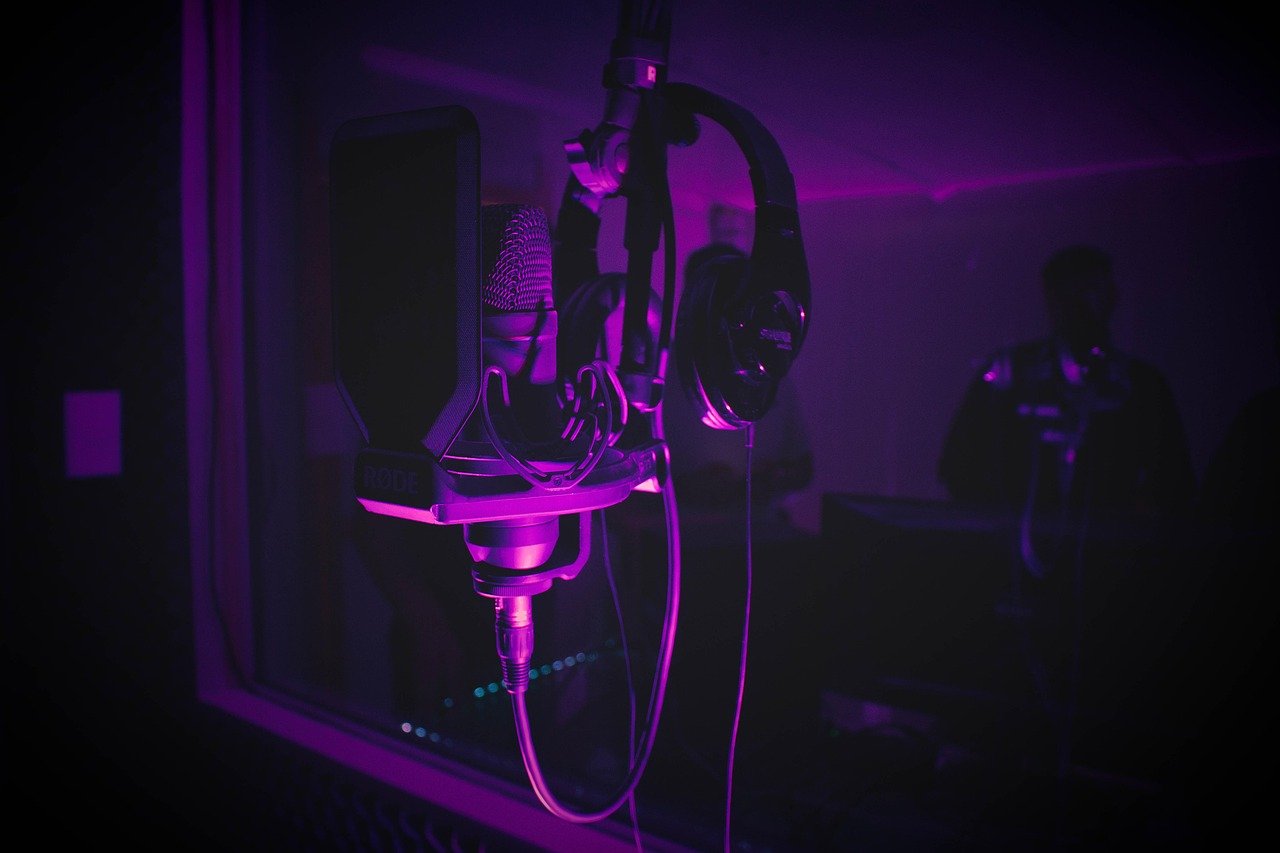
Headphones and speakers do different jobs in the same signal chain. Players who record in a shared home and need silence will rely on headphones, while those with a dedicated room can weigh them against the best studio monitors for piano. Players who plan to layer sampled instruments over their own playing may also want to see the best piano vst plugins, since software instruments are monitored through the same headphones.
Choosing by budget and situation
Price does not predict suitability for a keyboard. The dated figures run from $99.99 USD up to $899.99 USD, and the cheapest pair in the group is as capable of plugging into a piano as the most expensive. What the extra money buys is mostly refinement, not a better fit for piano playing.
- Quiet household, daily practice. Choose a comfortable wired pair, on-ear or over-ear, and try it for a full session. The Libratone Q Adapt is the noise-cancelling on-ear example in this comparison.
- Small budget. The 1More Triple Driver at $99.99 USD and the Brainwavz B200 at $199 USD show that in-ear options start well below premium over-ear prices.
- Home recording. Pick closed-back over-ear studio headphones that sit comfortably through repeated takes, and connect them to the audio interface with the matching plug.
- Casual listening away from the keys. This is where wireless earns its place, as a second pair for travel rather than the instrument.
Frequently asked questions
Do I need an adapter to use headphones with a digital piano?
Only if the headphone plug is a different size from the piano’s headphone socket. The piano’s manual names the socket, and the headphone’s spec sheet names the plug.
Are the prices in this comparison current?
No. They are list prices from reviews dated between January and June 2017, plus the 2016 release price of the 1More Triple Driver, and should be treated as a guide to price tiers.
Is a planar-magnetic driver better for piano?
Driver type is a matter of sound character, not a piano requirement. The Blue Ella uses planar-magnetic panels at $699 USD, but a comfortable, correctly plugged pair serves a pianist just as well.
Can earphones replace over-ear headphones at a piano?
Yes, if they fit comfortably. They weigh far less on the head, but the Audeze iSine10 shows that the cable supplied matters: only the analog cable is useful at a piano.